 Dolni Benesov
Few places in the Moravian-Silesian Region have a history as closely tied to the Opava River as Dolní Benešov. The town stands in Czech Silesia, in the lowland between Opava and Ostrava, where the river has long shaped settlement and local connections. First recorded in 1312, Dolní Benešov belongs to the Hlučín region, a borderland whose modern identity reflects its period within Prussia after the Silesian Wars and its incorporation into Czechoslovakia after the First World War. A local airfield adds a small-scale aviation presence to this predominantly settled and agricultural part of the region.
Generated by AI
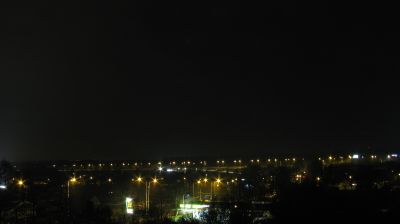



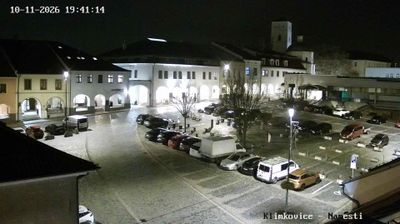
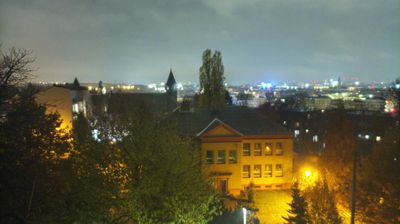
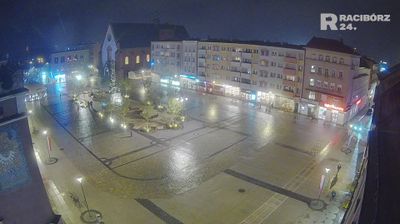

Dolní Benešov straddles the Opava River in the Hlučín area of Czechia’s Moravian-Silesian Region, and its lowland position has long connected it with the farmland and settlements of the Opava valley. The town belongs to Hlučínsko, a borderland shaped by Prussian rule from 1742 until it became part of Czechoslovakia after the First World War. That experience remains a defining thread in the region’s local identity, setting it apart from both Moravia and nearby Polish Silesia. Browse additional webcams from the Opava valley and Hlučínsko to extend your view of this Silesian borderland.
1 webcam
Moravian-Silesian Region combines an industrial legacy with mountain terrain in a way that reflects its position between the historic lands of Moravia and Silesia on Czechia’s northeastern frontier. Ostrava, its largest city, developed around coal mining and ironmaking; the former Vítkovice ironworks, now the Dolní Vítkovice cultural complex, remain a defining reminder of that era. Beyond the urban basin, the Beskydy range rises in the southeast, while the Oder has its source in the Oderské vrchy. Opava adds another thread of Silesian identity through its historic centre and cultural life. Browse additional webcams from the surrounding area to extend your view of the Moravian-Silesian Region.
118 webcams
The terrain of Czechia ranges from fertile lowlands in southern Moravia to mountain ridges along the northern frontier, giving this Central European country a distinctly varied geography. The Vltava runs through Prague before joining the Elbe, while the Krkonoše form part of the border with Poland and include Sněžka, Czechia’s highest mountain. Prague’s historic centre, with Prague Castle and Charles Bridge, reflects the city’s long role as a political and cultural centre. Beyond the capital, Bohemia is known for spa towns and brewing, and Moravia for wine-growing traditions. View additional webcams nearby to better understand how Czechia relates to its Central European surroundings.
1.4K webcams