 Oshu
Tucked along the Kitakami River in southern Iwate Prefecture, Oshu is a place whose character is shaped by the river’s broad floodplain and the foothills of the Kitakami Mountains. The Kitakami is one of the Tohoku region’s principal waterways, flowing north through Iwate before reaching the Pacific Ocean at Ishinomaki. Around Fuji Bridge, embankments and cultivated ground illustrate how settlement and farming have adapted to this working river corridor. Today’s city was formed in 2006 through the merger of Mizusawa, Esashi, Maesawa, Isawa and Koromogawa, bringing several historic communities into one municipality. Oshu is also associated with Maesawa beef, a prized Japanese wagyu brand raised in the former Maesawa area. This riverside setting provides a calm agricultural counterpoint to the city’s built-up districts.
Generated by AI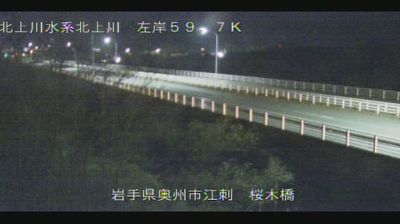
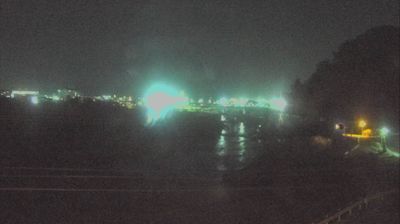

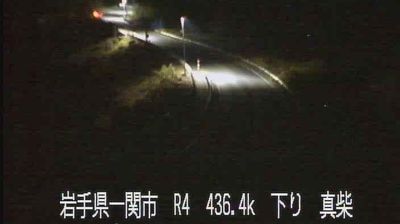
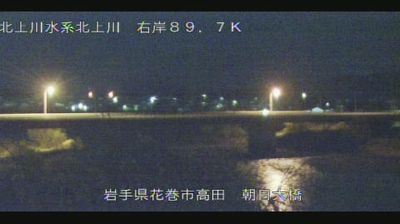
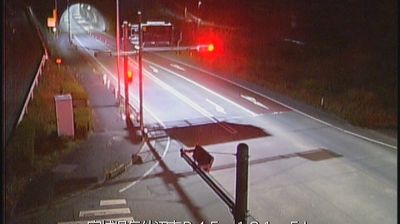

Among the cities of Iwate Prefecture, Oshu stands out for its links to the Northern Fujiwara era and the fertile Kitakami River basin. The city spreads across plains and foothills around the Kitakami River, combining the former centres of Mizusawa, Esashi, Maesawa and Isawa in a municipality formed in 2006. Esashi Fujiwara Heritage Park presents reconstructed buildings inspired by the 12th-century culture of nearby Hiraizumi. Maesawa is known throughout Japan for its carefully raised wagyu beef, while Oshu is also associated with Nambu ironware, a regional cast-iron craft. See how Oshu fits into the wider Kitakami basin by browsing webcams across Iwate Prefecture.
2 webcams
Iwate Prefecture has served as a regional heartland within Japan’s Tōhoku since the Meiji era. It occupies a broad stretch of northern Honshu where the Kitakami River crosses productive inland plains, the Kitakami Mountains rise to the east, and the Pacific shapes the indented Sanriku coast. Mount Iwate, a 2,038-metre stratovolcano, is the prefecture’s best-known peak. Inland Hiraizumi preserves the UNESCO-listed Chūson-ji temple complex, including Konjikidō, its gold-leaf-covered hall, recalling the prosperity of the medieval Northern Fujiwara. Morioka, the prefectural capital, is also known for wanko soba. Trace Iwate’s place in Tōhoku by browsing webcams across the surrounding prefectures.
23 webcams
Among the countries of East Asia, Japan stands out for its volcanic archipelago, stretching from the cool north of Hokkaido to subtropical Okinawa. Mount Fuji, the nation’s highest mountain, rises above central Honshu, while the Pacific Ocean and the Seto Inland Sea have long shaped settlement, fishing and travel. Tokyo pairs dense urban life with major museums and neighbourhood traditions; Kyoto preserves temples, gardens and the legacy of Japan’s imperial court. Seasonal customs give journeys a changing rhythm, from spring cherry blossom viewing to autumn leaves. Regional cooking is equally varied, with sushi, ramen and local specialties reflecting coastlines, climate and agriculture. Explore nearby webcam locations that provide complementary perspectives on Japan’s islands, cities and mountain regions.
1.3K webcams