 Muhlbach - Rio di Pusteria: Gitsch

Mühlbach–Rio di Pusteria occupies the meeting point of the Puster and Eisack valleys in South Tyrol. The Rienz runs through this narrow transition zone, where routes from Brixen continue east toward Brunico and the Dolomites. The settlement’s German and Italian names reflect the bilingual character of the autonomous province. Above the town, the municipal area extends to Maranza and Valles, communities associated with the Gitschberg Jochtal ski and hiking area. At the valley entrance stands the Mühlbacher Klause, a fortified barrier that once controlled movement between the Eisack and Puster valleys. Mühlbach is a compact valley town shaped by water, mountain routes and the meeting of Alpine cultures.
Generated by AI
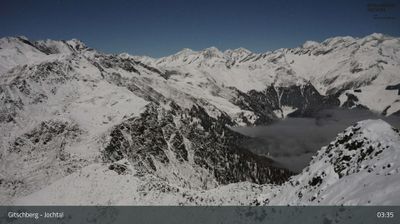


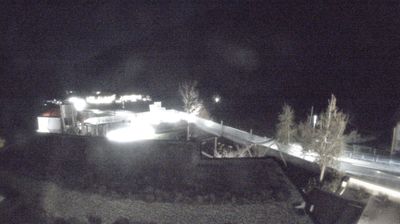
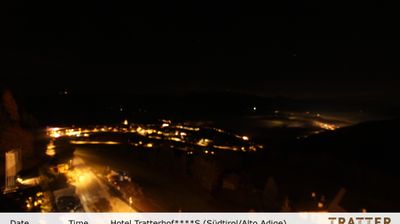
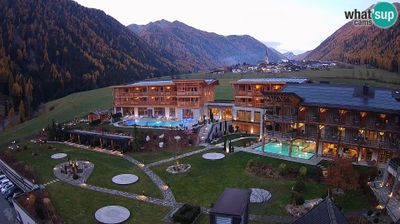
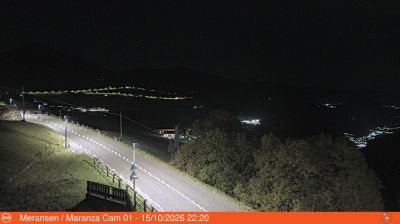

Mühlbach–Rio di Pusteria combines a compact market-town centre with the open Alpine corridors of the Puster Valley, reflecting its position where the Rienza flows into the Eisack. German and Italian are both part of everyday life in this South Tyrolean municipality, whose bilingual name reflects its setting between cultural regions. The 15th-century Mühlbacher Klause, a former defensive and customs complex, recalls the strategic importance of this route through the Alps. Trails and lifts connect the area with the Gitschberg Jochtal mountain region, while the valley remains a rail and road link between Brixen and Bruneck. Discover how Mühlbach–Rio di Pusteria belongs to the wider Eisack and Puster Valley area by browsing nearby webcams.
10 webcams
Trentino-Alto Adige/Südtirol is renowned across Italy for the Dolomites, whose pale limestone massifs define much of its eastern skyline. This autonomous region follows the upper Adige basin, from vineyards and apple orchards around Bolzano to high valleys crossed by glaciers and Alpine passes. Its character is distinctly multilingual: Italian and German are official languages, while Ladin remains in use in several Dolomite valleys. Medieval castles, Tyrolean customs and Italian city life meet in a borderland historically connected with Tyrol. Continue with other webcams from the area to see how this part of the central Alps connects regionally.
586 webcams
Among the countries of southern Europe, Italy stands out for its Mediterranean coastline and cities marked by the legacy of ancient Rome. The Alps form its northern frontier, while the Apennines run down the peninsula and the Po crosses the broad plain of the north. Rome’s Colosseum and Roman Forum recall the ancient empire; Florence is closely associated with the Renaissance, and Venice is built across a lagoon on the Adriatic. Food changes markedly between regions, from olive-oil cooking in the south to rice dishes in the Po Valley. Sicily and Sardinia add distinct island identities to a country whose regions retain strong local character. Explore nearby webcam locations that provide complementary perspectives on Italy’s coasts, cities and mountains.
2.9K webcams