 Mali Vrh pri Šmarju: A2/E70, Karavanke - Obrežje, viadukt Reber
Mali Vrh pri Šmarju occupies wooded, undulating terrain in the Grosuplje area of central Slovenia. This small settlement lies in the historic region of Lower Carniola, where fields and scattered homes meet broad belts of forest. The Reber Viaduct carries the A2 motorway across the local relief, placing the area on a principal Slovenian road route between Ljubljana and the country’s southeast. Its setting remains distinctly rural rather than urban, with cultivated clearings set among low, forested hills. The locality marks the transition from the Ljubljana Basin towards the gentler interior landscapes of Dolenjska.
Generated by AI
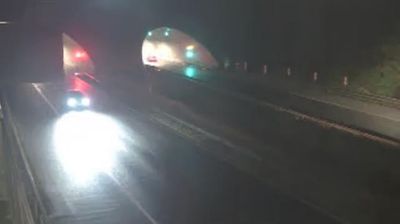
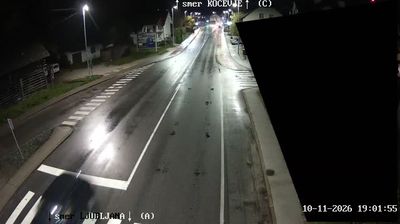
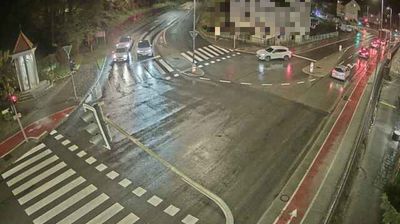
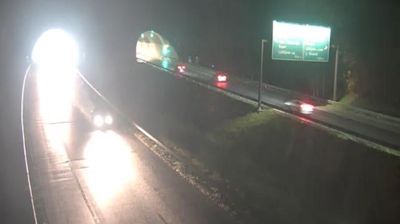
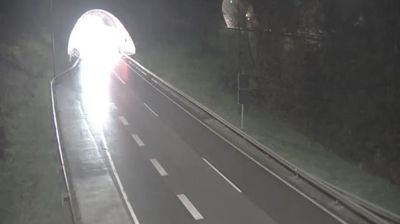
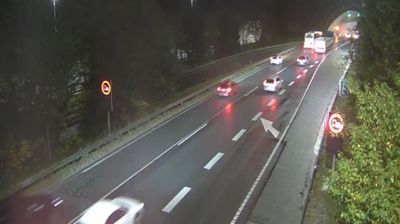
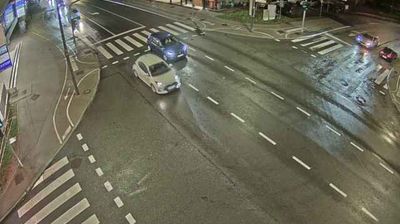
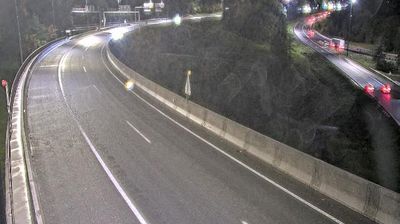
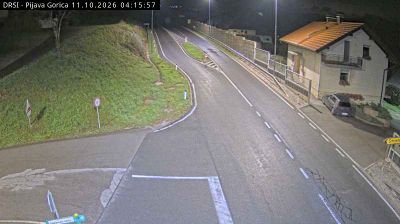

Mali Vrh pri Šmarju lies along a wooded ridge on the southeastern edge of the Ljubljana Basin, where the lowlands around the capital give way to the forested hills of Lower Carniola. This small settlement stands near Šmarje-Sap in the Grosuplje area, southeast of Ljubljana. Its setting reflects the dispersed rural pattern common in central Slovenia, with homes, fields and woodland spread across the slopes rather than gathered around a dense centre. Lower Carniola is one of Slovenia’s traditional regions. View additional webcams nearby to better understand how Mali Vrh pri Šmarju relates to the surrounding Grosuplje hills.
2 webcams
The terrain of Upravna Enota Grosuplje ranges from karst poljes in its southern reaches to wooded hills around Grosuplje in the north, creating a varied setting of open basins, farmland and forest. This central Slovenian administrative area includes Grosuplje, Ivančna Gorica and Dobrepolje, south-east of Ljubljana. The Krka River rises near the village of Krka, while Radensko Polje is known for its seasonal karst waters. Stična Abbey, founded in 1136, is Slovenia’s oldest monastery and an enduring cultural landmark. Move on to other webcams in the region to compare landscapes and settings around Upravna Enota Grosuplje.
6 webcams
Slovenia occupies a meeting point of the Alps, the Pannonian Plain, the Dinaric mountains and the Adriatic coast in south-central Europe. The Julian Alps rise in the northwest, where Triglav is the country’s highest mountain, while the Soča River is known for its clear turquoise water. Karst terrain has shaped caves such as Postojna Cave and the Škocjan Caves, a UNESCO World Heritage site. Ljubljana combines a riverside old town with works by architect Jože Plečnik; farther east, wine-growing regions and thermal springs add another dimension. Slovenian food reflects Alpine, Mediterranean and Balkan influences. Find related webcams in the surrounding area to build a fuller picture of Slovenia and the northern Adriatic.
768 webcams