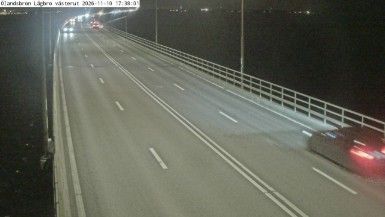
 Kalmar: Ölandsleden TPL norrut
Kalmar lies along the Kalmar Strait on Sweden’s Baltic coast, where low mainland ground meets the waters separating the city from Öland. Founded as a medieval trading town, it became the setting for the Union of Kalmar in 1397, when Denmark, Norway and Sweden were brought under a single monarch. Kalmar Castle, begun in the 12th century and reshaped as a Renaissance palace in the 16th, stands beside the waterfront. North of the centre, Ölandsleden and the Öland Bridge provide the road connection across the strait to Öland. The surrounding coast is low and open, with the urban area meeting Baltic water rather than mountain terrain.
Generated by AI
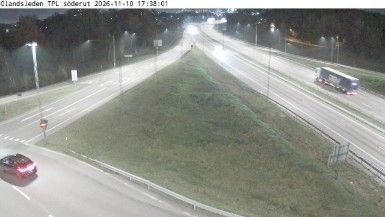
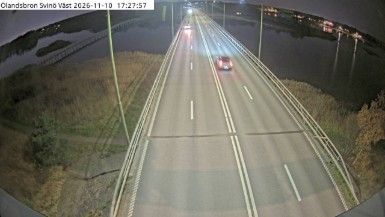
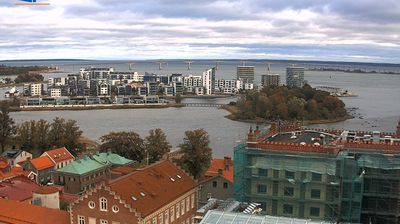

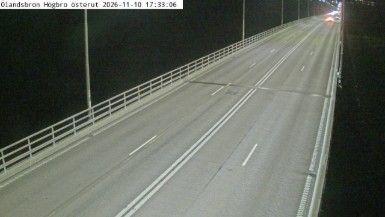


Few cities in southeastern Sweden have a past as closely bound to the Kalmar Union of 1397 as Kalmar. On the Baltic Sea’s Kalmar Strait, the city faces the long island of Öland, separated by waters that have long shaped trade and defence. Kalmar Castle, begun as a medieval stronghold and remade in Renaissance style under the Vasa kings, is traditionally associated with the union that linked Denmark, Norway and Sweden. The compact centre on Kvarnholmen retains broad squares and streets laid out after the town was moved in the 17th century. Kalmar County Museum displays finds from the warship Kronan, which sank off Öland in 1676. View additional webcams nearby to better understand how Kalmar relates to the Baltic coast and Öland.
7 webcams
Kalmar County stretches from the Småland highlands to the Baltic Sea, encompassing a wooded mainland and the limestone island of Öland. The coast is broken by bays and islands, while the Kalmar Sound separates Öland from the Swedish mainland. Around Oskarshamn, on the county’s central coast, ferries link the shore with Gotland. In the city of Kalmar, Kalmar Castle recalls the medieval town’s role in Scandinavian politics; the Kalmar Union was agreed there in 1397. Öland’s open limestone plain, Stora Alvaret, forms part of the UNESCO-listed Agricultural Landscape of Southern Öland, in clear contrast to the inland forests and farmland. Browse other webcams across Kalmar County to place this setting in a wider geographic context.
14 webcams
Sweden combines Baltic coastal life with Arctic expanses in a way that reflects its position within northern Europe. Forests, lakes and long shorelines define much of the country, from Lake Vänern in the south to the Gulf of Bothnia and the mountains along the Norwegian border. Stockholm spreads across islands where Lake Mälaren meets the Baltic Sea, while the preserved 17th-century warship at the Vasa Museum recalls Sweden’s era as a major European power. Midsummer celebrations and the traditions of the Sámi people add further depth to its regional identity. Browse other webcams across Sweden to place this setting in a wider geographic context.
990 webcams