 Simontornya: Petőfi utca, Kölesd felé
Among the towns of Transdanubia, Simontornya stands out for its medieval castle, the town’s central historic landmark. It lies in Tolna County beside the Sió Canal, in the broad lowland corridor south-east of Lake Balaton. Simontornya Castle preserves medieval fabric alongside later alterations and remains the clearest symbol of the settlement’s past. Beyond the castle precinct, Simontornya is a compact provincial town of homes, gardens and local streets. The railway between Budapest and Pécs links it with larger Hungarian cities, while the agricultural land around it keeps daily life closely connected to rural Transdanubia.
Generated by AI

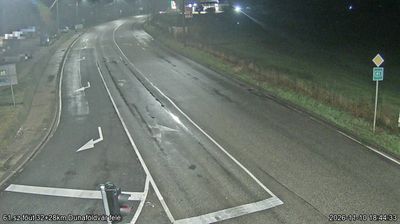

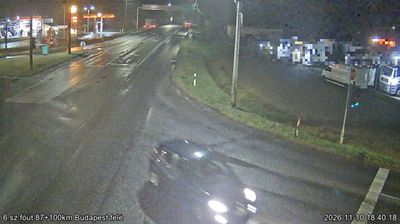
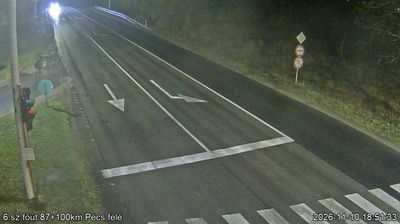


Simontornya straddles the Sió Canal in Transdanubia, a position that places the town on the water route running from the Lake Balaton basin toward the Danube. Its defining landmark is Simontornya Castle, a fortified complex whose earliest surviving parts date from the 13th century. Romanesque foundations, Gothic rebuilding and Renaissance additions make the castle a compact record of changing architectural styles; it now contains museum displays. Beyond the centre, Tolna County’s low agricultural terrain gives Simontornya a distinctly rural setting. Continue with other webcams from the area to see how this part of Transdanubia connects regionally.
4 webcams
Built around the lands west of the Danube, Transdanubia grew into Hungary’s broad western historical region. This location lies on Lake Balaton’s northern shore near Balatonfüred, where the Balaton Uplands rise behind the water in a mosaic of vineyards, basalt hills and small settlements. Lake Balaton, Central Europe’s largest lake, has long shaped local recreation, agriculture and summer life. Across the bay, the Tihany Peninsula is marked by its Benedictine Abbey, founded in 1055 and associated with one of Hungary’s earliest surviving written records. Continue with other webcams from the area to see how this part of western Hungary connects regionally.
305 webcams
Hungary combines a long urban tradition with expansive lowland horizons in a way that reflects its position within the Carpathian Basin. The Danube runs through Budapest, separating the hills of Buda from the grand boulevards of Pest, where the Hungarian Parliament Building stands on the riverbank. Beyond the capital, the Great Hungarian Plain shapes much of the east, while Lake Balaton, Central Europe’s largest lake, draws summer visitors to its shores. Thermal bathing remains part of everyday life, and the Tokaj region is internationally known for its historic sweet wines. Explore nearby webcam locations that provide complementary perspectives on Hungary.
744 webcams