 Dunafoldvar: Duna
Dunaföldvár is best known in Hungary for its castle, centred on the surviving Csonka Tower above the Danube. On the river’s right bank in southern Transdanubia, the town lies between the broad waterway, agricultural land and a loess escarpment. The tower is the principal remnant of a medieval fortress, and the castle complex is home to a local museum. Its position on both road and river routes has long made Dunaföldvár an important crossing point between central Hungary and the Great Hungarian Plain. The riverfront and compact townscape reflect the everyday character of a Danube settlement beyond Hungary’s larger urban centres.
Generated by AI

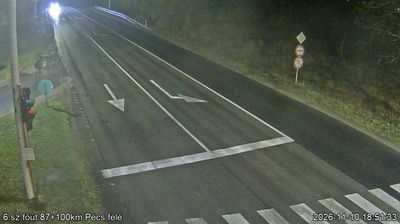
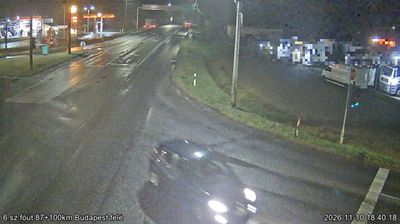
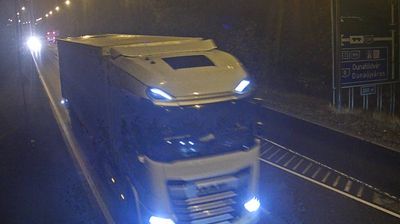
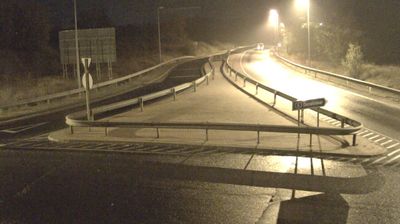
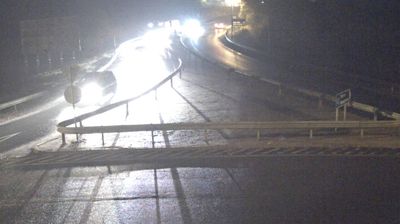


Dunaföldvár stands on the right bank of the Danube in Hungary’s Transdanubia, where a steep loess bluff rises above an important river crossing. The town has long been shaped by the waterway, with the Dunaföldvár bridge linking its banks and road routes across central Hungary. On Castle Hill, the surviving medieval fortress complex includes the Turkish Tower, a reminder of the Ottoman era along the Danube. Streets below the hill lead towards the riverfront, while the surrounding plains give the settlement an open lowland setting. Continue with other webcams from the area to see how this stretch of the Danube connects regionally.
5 webcams
Built around the lands west of the Danube, Transdanubia grew into Hungary’s broad western historical region. This location lies on Lake Balaton’s northern shore near Balatonfüred, where the Balaton Uplands rise behind the water in a mosaic of vineyards, basalt hills and small settlements. Lake Balaton, Central Europe’s largest lake, has long shaped local recreation, agriculture and summer life. Across the bay, the Tihany Peninsula is marked by its Benedictine Abbey, founded in 1055 and associated with one of Hungary’s earliest surviving written records. Continue with other webcams from the area to see how this part of western Hungary connects regionally.
305 webcams
Hungary combines a long urban tradition with expansive lowland horizons in a way that reflects its position within the Carpathian Basin. The Danube runs through Budapest, separating the hills of Buda from the grand boulevards of Pest, where the Hungarian Parliament Building stands on the riverbank. Beyond the capital, the Great Hungarian Plain shapes much of the east, while Lake Balaton, Central Europe’s largest lake, draws summer visitors to its shores. Thermal bathing remains part of everyday life, and the Tokaj region is internationally known for its historic sweet wines. Explore nearby webcam locations that provide complementary perspectives on Hungary.
743 webcams