 Domsod: Dömsöd Posta
Dömsöd occupies a low-lying stretch of the Great Hungarian Plain in Central Hungary, close to the Ráckeve–Soroksár branch of the Danube. The settlement stands in Pest County’s broad riverside plain, where the built-up centre is organised around the main road and everyday services such as Dömsöd Post Office. Traditional single-storey houses and newer roadside businesses give its streets a practical small-town character. Dömsöd is associated with Sándor Petőfi, Hungary’s national poet, who spent time here in 1846; a local memorial museum marks that connection. The nearby Danube branch forms part of the river’s side-channel system south of Budapest and remains central to the area’s waterside identity.
Generated by AI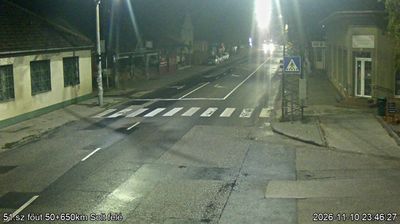
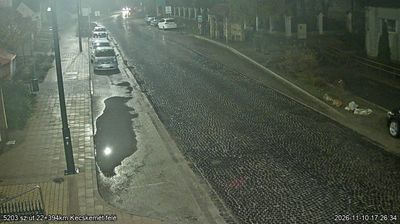
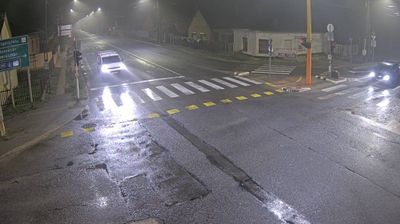
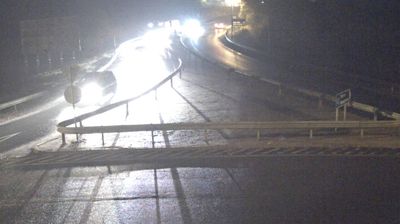
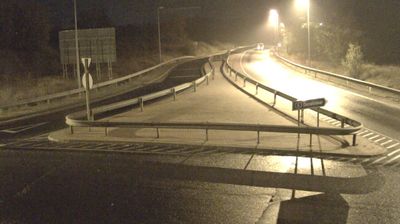

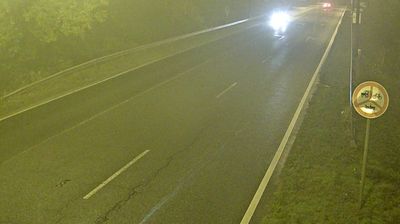
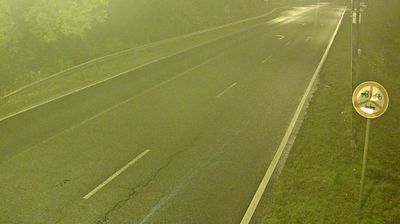
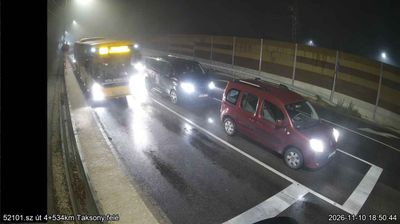

Domsöd lies along the Ráckeve (Soroksár) branch of the Danube, where the flat Danube–Tisza Interfluve meets a slow-moving side arm of Hungary’s main river. The settlement belongs to southern Pest County’s riverside countryside, where farmland, channels and reed-fringed banks contrast with Budapest’s urban stretches of the Danube. Its strongest literary connection is to Sándor Petőfi, who spent time in Domsöd in 1845; the Petőfi Sándor Memorial Museum commemorates his presence. Domsöd provides an impression of quieter central Hungary, with the river close by and the broad plain extending beyond the village. Find related webcams around Domsöd and the Ráckeve Danube branch to build a fuller picture of this part of Central Hungary.
2 webcams
Central Hungary stretches from the Danube Bend to the northern edge of the Great Hungarian Plain, encompassing Budapest’s hill country and the level expanses of Pest County. The Danube forms the region’s central axis, with Budapest spread across both banks and the historic Buda Castle District above the western shore. The city’s riverside panorama, Castle District and Andrássy Avenue are together inscribed as a UNESCO World Heritage site. Beyond the capital, commuter towns and farmland extend across Pest County, while the wooded Buda Hills provide a marked contrast to the plain. Browse other webcams across Central Hungary to place this setting in a wider geographic context.
164 webcams
Hungary combines a long urban tradition with expansive lowland horizons in a way that reflects its position within the Carpathian Basin. The Danube runs through Budapest, separating the hills of Buda from the grand boulevards of Pest, where the Hungarian Parliament Building stands on the riverbank. Beyond the capital, the Great Hungarian Plain shapes much of the east, while Lake Balaton, Central Europe’s largest lake, draws summer visitors to its shores. Thermal bathing remains part of everyday life, and the Tokaj region is internationally known for its historic sweet wines. Explore nearby webcam locations that provide complementary perspectives on Hungary.
742 webcams