 Racisce: Racisce Beach
Račišće Beach sits on the Adriatic coast of Korčula in Dubrovnik-Neretva County, Croatia, where a small settlement occupies a sheltered inlet beneath the island’s limestone slopes. Račišće stands on Korčula’s quieter northern shore, across the Pelješac Channel from the Pelješac Peninsula, and retains the compact scale of a Dalmatian coastal community. The village was established in the 17th century by families fleeing Ottoman incursions on the mainland, a past reflected in its traditional stone-built fabric. Its waterfront and beach provide close contact with the rocky shoreline, while the coastal road connects Račišće with Korčula Town and the rest of the island.
Generated by AI

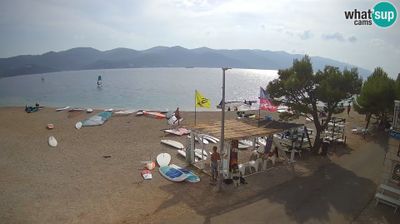
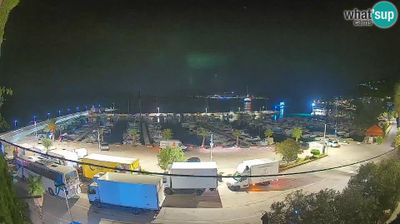

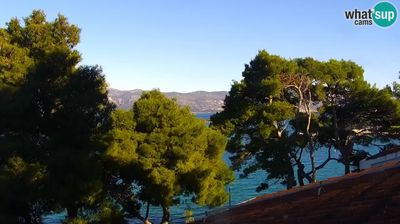

Račišće sits on Račišće Bay on Korčula Island in Croatia’s Dubrovnik-Neretva County, where rocky, pine-covered slopes descend to the Adriatic Sea. This small settlement occupies an indented harbour on the island’s quieter northern shore, facing the Pelješac Peninsula across the channel. It was established in the 17th century by families who had left the Makarska coast during Ottoman incursions, a past reflected in its close-knit waterfront layout. The Church of Our Lady of the Angels stands as Račišće’s principal religious landmark. Local roads and footpaths lead towards secluded coves, while Korčula Town is farther along the coast. Find related webcams in the surrounding area to build a fuller picture of Korčula Island.
1 webcam
Shaped by the sea routes of the southern Adriatic, Dubrovnik-Neretva County grew into Croatia’s southernmost county. Its territory is notably fragmented: the walled city of Dubrovnik faces the Adriatic, while the Pelješac Peninsula and the islands of Korčula, Mljet and Lastovo extend along the coast. The Neretva River reaches the sea north of Pelješac, forming Croatia’s best-known delta landscape. Dubrovnik’s Old City, once the centre of the Republic of Ragusa, is enclosed by renowned defensive walls and is UNESCO-listed. Mljet brings a quieter, wooded island character, centred on a national park with saltwater lakes. Continue through nearby webcams to explore different parts of Dubrovnik-Neretva County.
20 webcams
Croatia occupies a long Adriatic coastline in southeastern Europe. Its shore is broken into islands and sheltered coves, while the Dinaric Alps rise inland and the Danube forms part of its eastern border. Dubrovnik’s fortified old city faces the sea, and Split grew around Diocletian’s Palace, a Roman complex begun in the early fourth century. Inland, Plitvice Lakes National Park is known for terraced lakes linked by waterfalls and has been a UNESCO World Heritage Site since 1979. Istrian olive groves, Zagreb and Slavonia’s vineyards reveal distinct regional identities. Explore nearby webcam locations that provide complementary perspectives on the Adriatic coast and Croatia’s interior.
362 webcams