 Sydrugota: Gøtueiði - Eysturoy, Faroe Islands
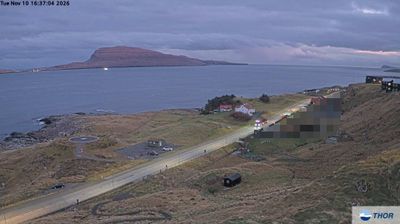
Built around farmsteads beside Gøtuvík, Syðrugøta grew into part of the connected settlement area known as Gøta. It lies on Eysturoy, the Faroe Islands’ second-largest island, where steep, treeless grassland rises quickly from the coast and roads follow folds in the terrain. The village is one of several communities around Gøtuvík, together forming a long-inhabited corner of the island rather than a single dense town. In nearby Norðragøta, Blásastova is a museum complex of historic Faroese buildings centred on local rural life. Gøta is also home to the annual G! Festival, a music event that brings international artists and audiences to this small North Atlantic community. Syðrugøta reflects how Faroese settlements developed around sheltered bays and narrow workable strips of land between mountains and sea.
Generated by AI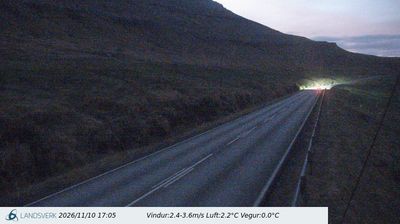
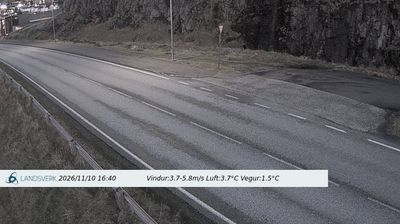
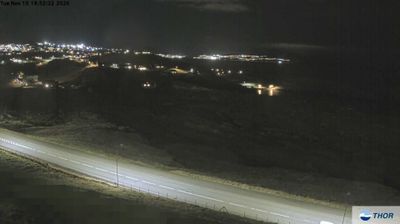
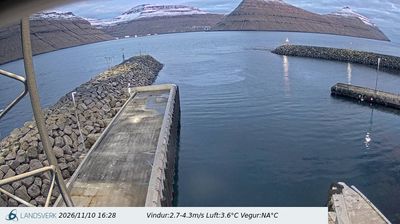




Built around North Atlantic fishing grounds, the Eysturoy region grew into an important centre of Faroese settlement and seafaring. Eysturoy, the archipelago’s second-largest island, is defined by steep green slopes, deeply cut fjords and weather from the open ocean. At 880 metres, Slættaratindur is the highest summit in the Faroes, rising above the island’s north. On the northeast coast, Gjógv is known for the long sea gorge that gives the settlement its name, while Funningur has a traditional wooden church. The Eysturoy Tunnel links the island with Streymoy beneath the sea. Explore nearby webcam locations that provide complementary perspectives on Eysturoy and the northern Faroes.
6 webcams
Built around Norse settlements sustained by North Atlantic sea routes, the Faroe Islands developed into a self-governing archipelago within the Kingdom of Denmark. Eighteen rugged islands lie between Norway and Iceland, where steep basalt cliffs, grass-roofed houses and narrow fjords define the coast. The capital, Tórshavn, stands on Streymoy, while the sea stacks at Drangarnir and Lake Sørvágsvatn on Vágar reveal the islands’ striking geology. Faroese, descended from Old Norse, remains the everyday language, and the Løgting in Tórshavn is among the world’s oldest parliaments. Fishing and sheep farming continue to shape local life alongside a contemporary Nordic food and arts scene. Discover other points of interest through webcams located across the Faroe Islands.
50 webcams