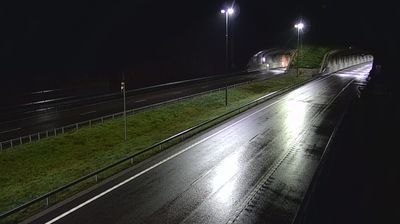
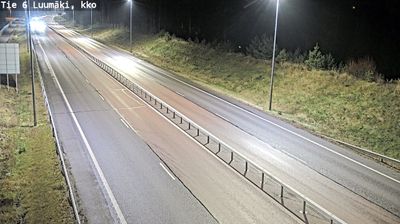
 Lappeenranta: Tie 387 - Ylämaa - Lappeenrantaan
Lappeenranta has served as a regional trading town in South Karelia since the 17th century. Granted its town charter in 1649, it developed on the southern shore of Lake Saimaa, Finland’s largest lake and part of an extensive inland-waterway system. The city’s historic Fortress above the harbour bears the imprint of both Swedish and Russian fortification work, with ramparts and older streets still preserved. This location is in Ylämaa, a rural part of Lappeenranta where forests, small-scale farmland and roads replace the denser lakeside centre. Ylämaa is associated with spectrolite, a Finnish variety of labradorite discovered there in the 20th century. It represents the quieter, wooded character of South Karelia near the Russian border.
Generated by AI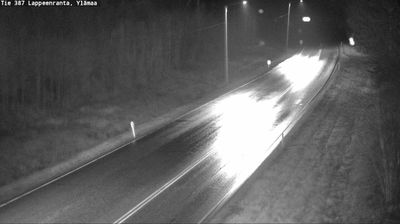

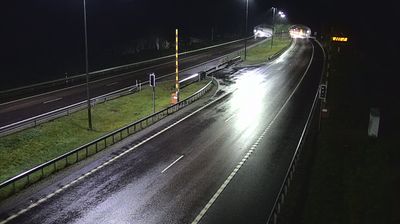
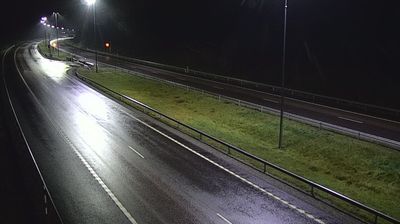


Lappeenranta straddles the southern shore of Lake Saimaa in South Karelia, where Finland’s largest lake has shaped it into a regional centre close to the Russian border. The city received its charter in 1649, and the Lappeenranta Fortress preserves streets and ramparts from the era when this frontier town passed between Swedish and Russian rule. Within the fortress, the Orthodox Church of the Intercession, completed in 1785, is Finland’s oldest Orthodox church. Saimaa’s linked waterways and harbour give the centre a lively waterside rhythm in summer, while museums and cafés occupy historic fortress buildings. Discover further points of interest through webcams located across Lappeenranta and South Karelia.
31 webcams
Lake Saimaa and the Vuoksi waterway define much of South Karelia – their shores, forests and channels have long supported forestry, boating and lakeside settlement. In southeastern Finland, the region borders Russia and centres on Lappeenranta, a university city on the lake. Its Lappeenranta Fortress preserves the old town’s military past, while the Saimaa Canal links the lake system towards the Gulf of Finland. Imatra is known for the Imatrankoski rapids, where the Vuoksi leaves Saimaa. Karelian food traditions remain part of local identity, notably filled rye pastries. Continue with other webcams from the area to see how this part of South Karelia connects regionally.
48 webcams
The terrain of Finland ranges from low coastal plains along the Gulf of Bothnia to fells in Lapland, creating a country of forests, lakes and long northern distances. More than 180,000 lakes shape everyday life, while the Lakeland region is threaded with waterways and islands. Helsinki, on the Gulf of Finland, combines neoclassical landmarks around Senate Square with contemporary Finnish design. Farther north, the Sámi are Finland’s only recognised Indigenous people, and their culture remains closely connected to the Arctic region. In winter, snow and ice transform the north; in summer, long daylight extends outdoor life well into the evening. Continue through nearby webcams to explore different parts of Finland.
1.7K webcams