 Lapua: Tie 66 - Lapualle
Among the places of Mainland Finland, Lapua stands out for its long association with Finnish ammunition manufacture beside the Lapuanjoki River. The town lies in Southern Ostrobothnia, a low, agricultural region where settlement has developed along river valleys and road corridors rather than around a coastal urban core. Lapua’s best-known industrial name is Nammo Lapua, a producer of small-calibre cartridges whose origins reach back to a state cartridge factory founded here in 1923. Its history also includes a difficult political chapter: the anti-communist Lapua Movement began in the town in 1929 and influenced Finnish politics in the early 1930s. National Road 66 reaches Lapua from the south, underlining its role as a service centre for the surrounding countryside.
Generated by AI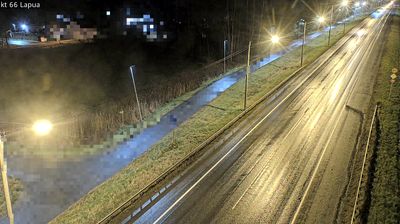
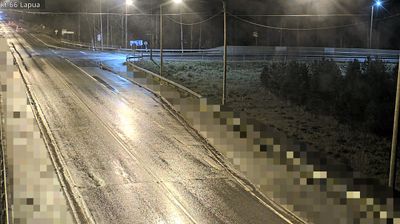
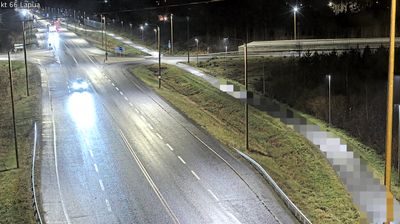
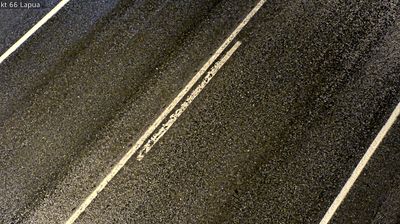

Lapua occupies the broad river plain of the Lapuanjoki in South Ostrobothnia, western Finland. Its low, open setting reflects a region shaped by river valleys and agriculture rather than Finland’s better-known lakelands. Lapua Cathedral, a neoclassical church completed in 1827 to plans by Carl Ludvig Engel, is a defining local landmark. The former State Cartridge Factory has taken on a new civic role as the Vanha Paukku cultural centre, with museum and arts spaces. Lapua also entered Finnish political history through the Lapua Movement, founded here in 1929; its anti-communist campaign became a major and divisive force in interwar Finland. View additional webcams nearby to better understand how Lapua relates to the Lapuanjoki valley and South Ostrobothnia.
5 webcams
South Ostrobothnia stretches from the Suomenselkä uplands in the east to the low plains beside Ostrobothnia in the west, encompassing broad cultivated river valleys and forested interior country. The region is shaped by the Kyrönjoki and Lapuanjoki rivers, whose floodplains have long supported farming and settlement. Seinäjoki, the regional centre, is known for the Aalto Centre, a civic ensemble designed by Finnish architect Alvar Aalto. Open fields, timbered farmsteads and large skies give this part of western Finland a distinctly spacious character. Browse other webcams across South Ostrobothnia to place this setting in a wider geographic context.
55 webcams
The terrain of Finland ranges from low coastal plains along the Gulf of Bothnia to fells in Lapland, creating a country of forests, lakes and long northern distances. More than 180,000 lakes shape everyday life, while the Lakeland region is threaded with waterways and islands. Helsinki, on the Gulf of Finland, combines neoclassical landmarks around Senate Square with contemporary Finnish design. Farther north, the Sámi are Finland’s only recognised Indigenous people, and their culture remains closely connected to the Arctic region. In winter, snow and ice transform the north; in summer, long daylight extends outdoor life well into the evening. Continue through nearby webcams to explore different parts of Finland.
1.7K webcams