 Viganj: Beach Kućište
The Pelješac Channel defines the setting of Kućište Beach — its shore follows the northern coast of the Pelješac Peninsula, facing the long, wooded mass of Korčula Island. Kućište lies beside Viganj in Dubrovnik-Neretva County, on one of southern Dalmatia’s narrow passages between peninsula and island. Small coves, stone-built settlements and olive trees characterise this stretch of coast. Viganj and nearby Kućište are established bases for sailing and wind sports on the channel. Inland, Pelješac is closely associated with Croatian winegrowing, notably the Plavac Mali grape, while Korčula across the water is known for its historic walled old town.
Generated by AI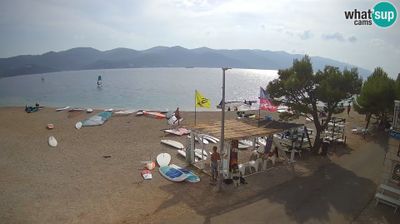
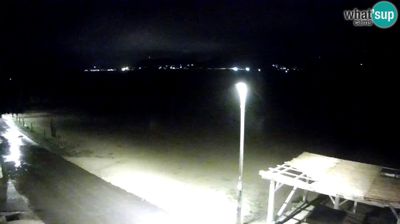

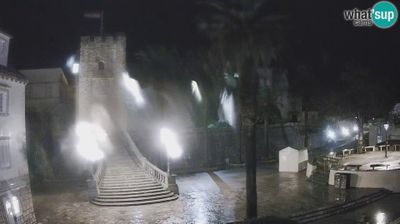
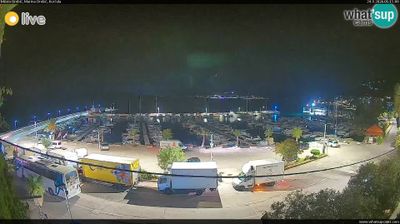
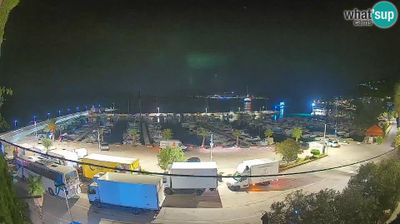

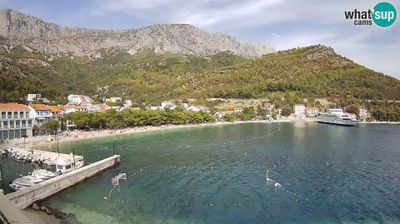
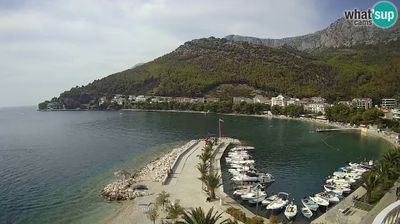

Tucked along the Pelješac Channel on the northern shore of the Pelješac Peninsula, Viganj is a place whose character is shaped by the summer maestral, a northwesterly Adriatic wind. This reliable breeze has made the settlement one of Croatia’s established windsurfing and kitesurfing centres, while its waterfront remains closely tied to the sea. Across the channel rises the island of Korčula; the historic town of Korčula, with its compact walled core, lies further along its coast. Viganj also makes a calm base for exploring the vineyards, coastal roads and maritime traditions of Pelješac. Continue through nearby webcams to explore different parts of the Pelješac Peninsula and Korčula.
3 webcams
Shaped by the sea routes of the southern Adriatic, Dubrovnik-Neretva County grew into Croatia’s southernmost county. Its territory is notably fragmented: the walled city of Dubrovnik faces the Adriatic, while the Pelješac Peninsula and the islands of Korčula, Mljet and Lastovo extend along the coast. The Neretva River reaches the sea north of Pelješac, forming Croatia’s best-known delta landscape. Dubrovnik’s Old City, once the centre of the Republic of Ragusa, is enclosed by renowned defensive walls and is UNESCO-listed. Mljet brings a quieter, wooded island character, centred on a national park with saltwater lakes. Continue through nearby webcams to explore different parts of Dubrovnik-Neretva County.
19 webcams
Croatia occupies a long Adriatic coastline in southeastern Europe. Its shore is broken into islands and sheltered coves, while the Dinaric Alps rise inland and the Danube forms part of its eastern border. Dubrovnik’s fortified old city faces the sea, and Split grew around Diocletian’s Palace, a Roman complex begun in the early fourth century. Inland, Plitvice Lakes National Park is known for terraced lakes linked by waterfalls and has been a UNESCO World Heritage Site since 1979. Istrian olive groves, Zagreb and Slavonia’s vineyards reveal distinct regional identities. Explore nearby webcam locations that provide complementary perspectives on the Adriatic coast and Croatia’s interior.
378 webcams