 Traben-Trarbach: Trarbach - Moselle
Traben-Trarbach sits on the Moselle in Rhineland-Palatinate, Germany, where the river winds between steep hills of vineyards and woodland. The paired town brings together Traben on one bank and Trarbach on the other, linked across a broad bend in the valley. Its streets retain an unusual concentration of Jugendstil architecture, built during the late-19th- and early-20th-century wine boom, when local merchants traded Moselle wine far beyond the region. The ruins of Grevenburg stand above Trarbach, recalling the strategic value of this river corridor. River cruises, wine estates and cycling routes make the town a well-established stop along the Moselle.
Generated by AI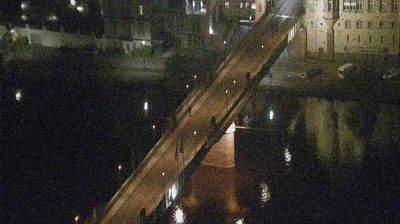

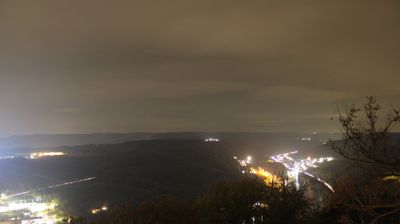

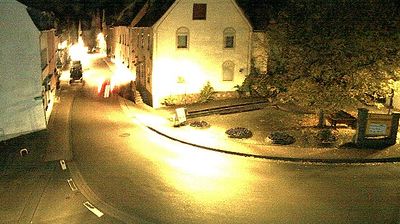
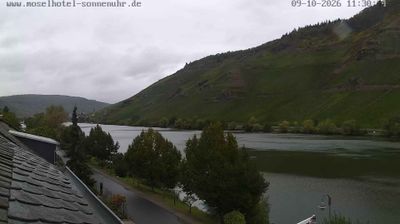


Tucked along the Moselle River in Rhineland-Palatinate, Traben-Trarbach is a town whose character is shaped by the river valley and vineyard-covered hillsides. Formed from the former towns of Traben and Trarbach on opposite banks, it developed as an important centre of the Moselle wine trade. That prosperity remains visible in its Jugendstil villas and public buildings, an unusually strong architectural presence for a small riverside town. Above the streets stand the ruins of Grevenburg Castle, while the waterfront connects wine cellars, river landings and paths beside the water. Local Riesling remains central to the area’s identity, and the town lies on the Moselsteig long-distance hiking route. Continue through nearby webcams to explore different parts of the Moselle valley.
2 webcams
The Rhine and Moselle define much of Rhineland-Palatinate – their valleys have long concentrated vineyards, river transport and historic towns. Inland, the wooded Hunsrück plateau contrasts with the vine-covered slopes of the Moselle, Nahe and Mittelrhein wine areas. Trier preserves the Porta Nigra, a Roman city gate within the UNESCO-listed Roman Monuments of Trier. The state also includes part of the UNESCO-listed Upper Middle Rhine Valley, where castles, terraces and riverside settlements shape a celebrated cultural landscape. Wine festivals and the autumn harvest remain central to local life. Browse other webcams across Rhineland-Palatinate to place this setting in a wider geographic context.
109 webcams
Germany stretches from the North Sea and Baltic Sea coasts to the Alps on its southern border, encompassing northern plains, river valleys and forested uplands. The Rhine, Danube and Elbe have long connected its regions, while the Black Forest and Bavarian Alps give the south a more dramatic relief. Berlin’s Brandenburg Gate and Museum Island reflect the capital’s role in German history and culture. Cologne Cathedral, a UNESCO World Heritage Site, rises above the Rhine, and the Bauhaus movement, founded in Weimar in 1919, transformed modern design far beyond Germany. Regional cooking, Christmas markets and brewing traditions bring further character to daily life. Browse additional webcams from the surrounding area to extend your view of Germany.
2.2K webcams