 Toruń: Old Town: torun
Few places in Kuyavian-Pomeranian Voivodeship have a history as closely tied to trade on the Vistula as Toruń. The river carried grain and other goods from this medieval port, while membership of the Hanseatic League linked the city to a wider Baltic trading network. Toruń’s brick-Gothic Old Town, inscribed on the UNESCO World Heritage List, preserves the separate medieval Old and New Towns as well as the ruins of the Teutonic Order’s castle. Nicolaus Copernicus was born here in 1473, and the city remains associated with gingerbread, a local baking tradition documented for centuries. Beyond the historic core, major roads and tram routes run through green urban corridors in this important regional city.
Generated by AI
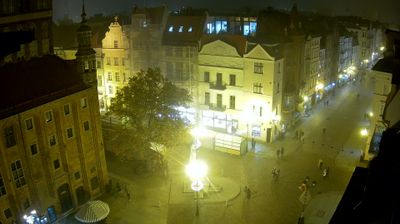

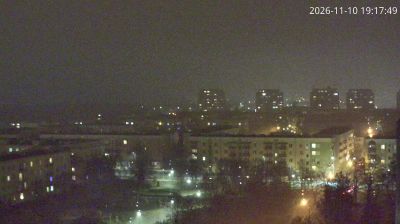

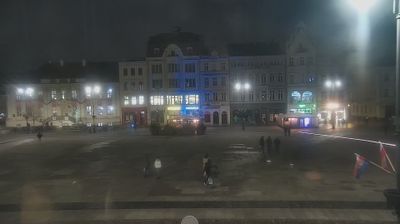

Few cities in the Kuyavian-Pomeranian Voivodeship have a history as closely tied to the Teutonic Order as Toruń. Founded by the order in 1233, it developed into an important Hanseatic trading town on the Vistula. Its remarkably intact medieval core, a UNESCO World Heritage site since 1997, is defined by Brick Gothic churches, merchant houses and the Old Town Hall. Toruń is also the birthplace of Nicolaus Copernicus, born here in 1473, and remains closely associated with traditional gingerbread. Move on to other webcams in the region to compare urban and riverside settings around the Vistula.
4 webcams
Kuyavian-Pomeranian Voivodeship has served as an administrative region within Poland since 1999. Set in north-central Poland, it brings together the historic lands of Kuyavia and Pomerelia along the Vistula, the country’s longest river. Toruń, one of its two capitals, is renowned for its preserved medieval Old Town, a UNESCO World Heritage Site, and for its association with Nicolaus Copernicus. Bydgoszcz, the other capital, developed around the Brda River and the Bydgoszcz Canal, a historic waterway linking the Vistula and Oder river systems. Explore how the voivodeship connects Poland’s riverlands by browsing webcams nearby.
20 webcams
Poland stretches from the Baltic Sea coast in the north to the Carpathian Mountains along its southern frontier, encompassing broad lowlands, lake districts and upland ranges. The Vistula, the country’s longest river, links Kraków and Warsaw before reaching the Baltic near Gdańsk, while the Masurian Lake District is defined by a dense network of lakes. Kraków’s historic centre, including Wawel Castle, recalls Poland’s former royal capital; Warsaw’s rebuilt Old Town speaks to the city’s recovery after the Second World War. The Białowieża Forest preserves one of Europe’s last primeval lowland forests and is home to European bison. Follow how Poland’s regions relate to one another by browsing webcams across the country.
711 webcams