 Szombathely: Belvaros: Szombathely, Petőfi út -> Március 15. tér
Szombathely has served as a regional centre in western Transdanubia since the Roman era. Founded as Savaria under Emperor Claudius in the 1st century AD, it is regarded as Hungary’s oldest city. Broad central streets and civic buildings from the late 19th and early 20th centuries reflect its role as the administrative heart of Vas County. The city lies on the Gyöngyös Stream in the western Pannonian plain, near the Austrian border. Roman Savaria is recalled by the Iseum Savariense, a reconstructed sanctuary dedicated to Isis, while the Cathedral of the Visitation of the Blessed Virgin Mary is a major landmark near the centre. Museums, markets and cultural events give this compact regional city an active urban character.
Generated by AI
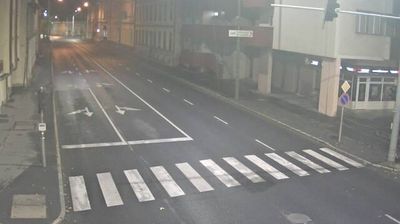
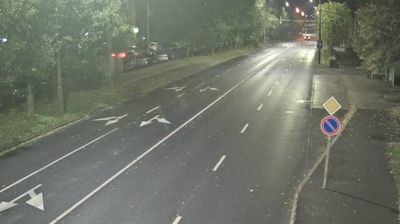

Szombathely straddles the Gyöngyös stream in western Transdanubia, and its position on Roman routes helped it grow from ancient Savaria into a regional centre. Founded in the 1st century AD as a colony of the Roman Empire, Savaria is generally regarded as the oldest city in present-day Hungary. The Iseum Savariense archaeological site preserves the remains of a sanctuary dedicated to Isis, while the Savaria Museum traces the area’s Roman and later past. Each August, the Savaria Historical Carnival brings costumed processions and craft traditions into the centre. Discover other points of interest through webcams located across Szombathely and Transdanubia.
8 webcams
Built around the lands west of the Danube, Transdanubia grew into Hungary’s broad western historical region. This location lies on Lake Balaton’s northern shore near Balatonfüred, where the Balaton Uplands rise behind the water in a mosaic of vineyards, basalt hills and small settlements. Lake Balaton, Central Europe’s largest lake, has long shaped local recreation, agriculture and summer life. Across the bay, the Tihany Peninsula is marked by its Benedictine Abbey, founded in 1055 and associated with one of Hungary’s earliest surviving written records. Continue with other webcams from the area to see how this part of western Hungary connects regionally.
303 webcams
Hungary combines a long urban tradition with expansive lowland horizons in a way that reflects its position within the Carpathian Basin. The Danube runs through Budapest, separating the hills of Buda from the grand boulevards of Pest, where the Hungarian Parliament Building stands on the riverbank. Beyond the capital, the Great Hungarian Plain shapes much of the east, while Lake Balaton, Central Europe’s largest lake, draws summer visitors to its shores. Thermal bathing remains part of everyday life, and the Tokaj region is internationally known for its historic sweet wines. Explore nearby webcam locations that provide complementary perspectives on Hungary.
741 webcams