 Saint Petersburg
Tucked along the Neva delta on the eastern Gulf of Finland, Saint Petersburg is a city whose character is shaped by its low-lying waterways and maritime setting. Founded by Peter the Great in 1703, it became the Russian Empire’s capital in 1712 and developed as a planned imperial port. The Neva divides into branches and canals across the historic centre, where broad avenues, palaces and embankments give the city its formal scale. The State Hermitage Museum occupies the Winter Palace, while the Peter and Paul Fortress on Zayachy Island marks the city’s original foundation site. Saint Petersburg’s Baltic horizon and monumental architecture distinguish it from Russia’s older inland capitals.
Generated by AI

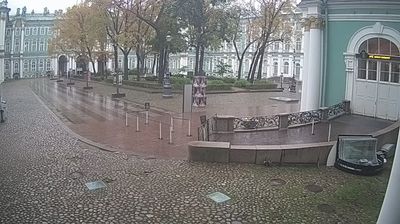
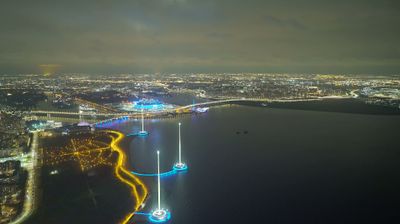
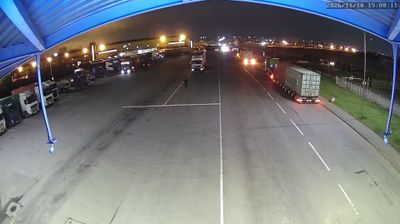

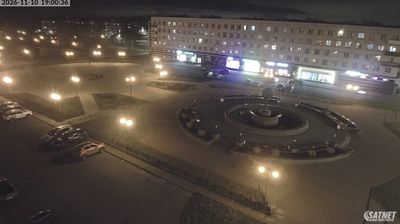
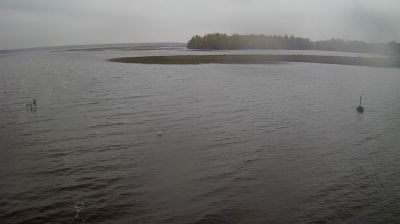

Saint Petersburg lies along the Neva River in its broad delta at the eastern end of the Gulf of Finland, where waterways, islands and low-lying banks define the city’s plan. Founded by Peter the Great in 1703, it was built as Russia’s imperial capital and remains closely associated with grand avenues, canals and formal riverfronts. Palace Square brings together the Winter Palace and the General Staff Building; the Winter Palace houses much of the State Hermitage Museum’s collection. The historic centre, with its related groups of monuments, is inscribed on UNESCO’s World Heritage List. Explore nearby webcam locations that provide complementary perspectives on Saint Petersburg and the Gulf of Finland.
4 webcams
Among Russia’s regions, Saint Petersburg stands apart for its imperial architecture spread across the Neva River delta. Founded by Peter the Great in 1703, the city was built as Russia’s Baltic-facing capital and is threaded by canals, granite embankments and more than 300 bridges. Palace squares and broad avenues lead to internationally known institutions including the State Hermitage Museum, housed largely in the Winter Palace. The Peter and Paul Fortress, on an island in the Neva, marks the city’s earliest core. Its northern light, waterside setting and formal urban plan give Saint Petersburg a character distinct from Russia’s inland cities. Explore nearby webcam locations that provide complementary perspectives on Saint Petersburg and the Neva.
14 webcams
Russia has served as a major power between Europe and Asia since the 16th century. Its territory crosses eleven time zones, extending from the Baltic coast and the East European Plain over the Ural Mountains to the Pacific. The Volga, Europe’s longest river, runs through a core of historic Russian settlement, while Lake Baikal in Siberia is the world’s deepest lake. Moscow’s Kremlin and Red Square stand at the centre of the capital’s political and architectural heritage; Saint Petersburg’s Hermitage Museum occupies the Winter Palace. Orthodox churches, Russian-language literature, ballet and long-distance rail travel remain familiar reference points in a country of immense regional contrasts. Continue with other webcams from Russia to see how this part of northern Eurasia connects regionally.
463 webcams