 Richmond: Yarmouth, Nova Scotia
Few places in southwestern Nova Scotia have a history as closely tied to the road corridor between Yarmouth and the Annapolis Valley as Richmond. This rural community lies in Yarmouth County, where Highway 101 crosses low, wooded terrain and open roadside clearings. The Atlantic coast is nearby, and its maritime setting has long shaped the wider region’s economy and identity. Yarmouth, a short distance southwest, was an important shipbuilding and seafaring centre during the 19th century. Richmond represents the quieter inland side of this corner of Nova Scotia: dispersed homes, forest, and a main highway connecting coastal communities with the rest of the province.
Generated by AI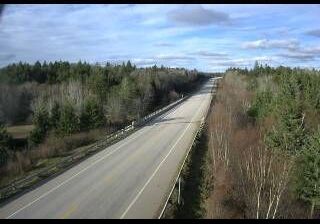

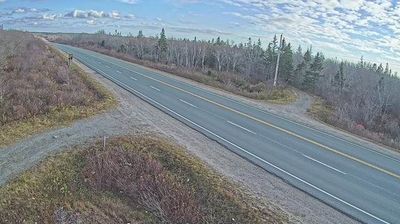

Richmond is known in Nova Scotia for its position in Yarmouth County near the Gulf of Maine coast. This small southwestern community belongs to a region of woodland, lakes and an indented Atlantic shoreline, far from the province’s larger urban centres. Nearby Yarmouth has long been a maritime centre; its harbour history reflects the fishing, shipping and ferry connections that have linked this part of Nova Scotia with New England. Richmond is a useful point from which to understand the quieter inland and coastal character of the province’s far southwest. View additional webcams nearby to better understand how Richmond relates to its Yarmouth County surroundings.
3 webcams
Built around Atlantic fisheries and seaborne trade, Nova Scotia grew into a maritime province whose communities remain closely tied to the water. Its peninsula and Cape Breton Island face the Atlantic, while the Bay of Fundy shapes much of the western coast and is known for some of the world’s highest tides. Halifax, the provincial capital, is home to the star-shaped Halifax Citadel National Historic Site, recalling the city’s strategic role as a harbour. Mi’kmaq culture is fundamental to the province’s identity, alongside Acadian and Gaelic traditions. Explore further points of interest through webcams across Nova Scotia.
89 webcams
Canada has served as a frontier between French and British colonial powers since the 17th century. The world’s second-largest country extends from Atlantic shores to the Pacific and Arctic coasts, with the Canadian Shield, the Rocky Mountains, the Great Lakes and the St. Lawrence River shaping its vast geography. First Nations, Inuit and Métis peoples are central to Canada’s identity, while Ottawa’s Parliament Hill represents its federal political life. French remains the official language of Quebec, adding a distinct dimension to the country’s public culture. See how Canada connects across North America by browsing webcams in neighbouring regions.
3.5K webcams