 Malagueira e Horta das Figueiras: Evora
Évora combines monumental antiquity with the measured rhythm of a regional Alentejo centre in a way that reflects its position on the broad plains of southern Portugal. Its walled historic centre has been a UNESCO World Heritage Site since 1986, preserving Roman, medieval and later streets within a compact core. The Roman Temple, the medieval Cathedral of Évora and the 16th-century Água de Prata aqueduct mark successive periods of the city’s development. Évora was also the seat of a university founded in 1559, while whitewashed houses, convents and civic squares retain the sober architectural character associated with Alentejo. Beyond the old walls, residential districts and sporting facilities connect daily city life with the surrounding farmland.
Generated by AI
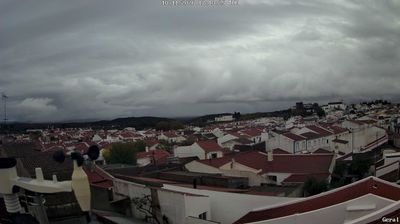
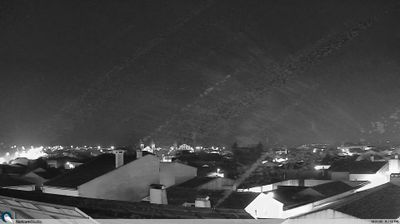

Among the cities of Alentejo, Malagueira e Horta das Figueiras stands out for its connection to the Malagueira housing scheme, designed by Portuguese architect Álvaro Siza. This urban parish occupies Évora’s western side, where compact development gives way to the open, gently rolling plains characteristic of the Alentejo. Begun in 1977, Siza’s long-running project uses low-rise homes, pedestrian lanes and an elevated infrastructure system to form a distinctive residential quarter. The parish is closely tied to Évora, whose historic centre is inscribed on UNESCO’s World Heritage List and preserves Roman, medieval and later monuments. Browse other webcams across Alentejo to place this setting in a wider geographic context.
1 webcam
Évora combines an exceptionally preserved medieval core with the open agricultural character of the Alentejo in a way that reflects its position within Portugal’s south-central interior. Its historic centre is a UNESCO World Heritage site, where the Roman Temple of Évora stands near the cathedral and the former convent that houses the Chapel of Bones. The Água de Prata aqueduct carries a striking line of arches into the city, while the surrounding Alentejo plains are associated with cork production, olive groves and broad estates. Founded in 1559, the University of Évora adds another enduring layer to this regional capital. View additional webcams nearby to better understand how Évora relates to the Alentejo plains.
3 webcams
Portugal has served as an Atlantic maritime link between Europe, Africa and the Americas since the 15th century. The Atlantic shapes its western and southern shores, while the Douro crosses northern wine country on its way to Porto and the Tagus meets the sea in Lisbon. Belém Tower and the Jerónimos Monastery recall the seaborne expansion of the Portuguese crown, and their Manueline stonework remains a defining feature of the capital. Beyond the cities, the Algarve is known for beaches and limestone cliffs, while Serra da Estrela introduces a highland counterpoint inland. Azulejo tiles, fado and Port wine are enduring elements of Portuguese culture. Find related webcams in the surrounding area to build a fuller picture of Portugal’s Atlantic coast and interior.
176 webcams