 Lusern - Luserna: Lavarone - Alpe Cimbra

Lusern–Luserna has served as a Cimbrian-speaking mountain settlement in Trentino since the Middle Ages. It stands on the Alpe Cimbra plateau in the southern Alps, where woodland, grazing ground and dispersed farm buildings shape the high-country settlement. The community is one of the best-known centres of Cimbrian, a Germanic minority language maintained alongside Italian. Above the village, Fort Lusern was built by Austria-Hungary before the First World War as part of the frontier defences, and later saw fighting on this Alpine front. Lusern–Luserna retains a distinct identity within Trentino, combining an upland rural setting with a living linguistic tradition and traces of a former borderland.
Generated by AI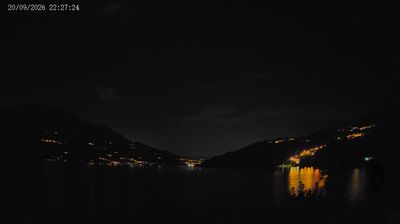
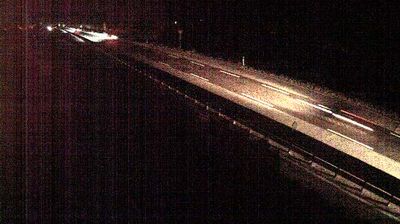
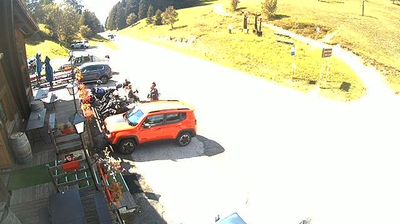
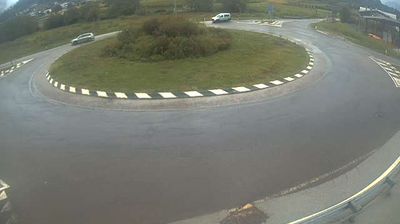
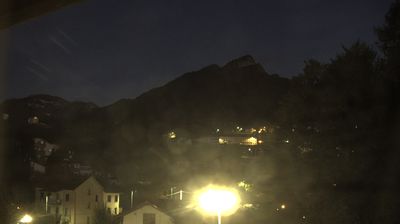


Lusern–Luserna has served as a Cimbrian-speaking mountain community in Trentino since the Middle Ages. Set on the Lavarone Plateau in the southeastern Alps, it belongs to an upland area of woods, meadows and small settlements above the Adige valley. The village is one of the few places where Cimbrian, a Germanic language historically rooted in medieval Bavarian dialects, remains part of local cultural life alongside Italian. Forte Lusern, an Austro-Hungarian fortress built before the First World War, recalls the former frontier between Austria-Hungary and Italy; it was heavily bombarded during the conflict. Discover other points of interest through webcams located across Trentino-Alto Adige/Südtirol.
1 webcam
Trentino-Alto Adige/Südtirol is renowned across Italy for the Dolomites, whose pale limestone massifs define much of its eastern skyline. This autonomous region follows the upper Adige basin, from vineyards and apple orchards around Bolzano to high valleys crossed by glaciers and Alpine passes. Its character is distinctly multilingual: Italian and German are official languages, while Ladin remains in use in several Dolomite valleys. Medieval castles, Tyrolean customs and Italian city life meet in a borderland historically connected with Tyrol. Continue with other webcams from the area to see how this part of the central Alps connects regionally.
665 webcams
Among the countries of southern Europe, Italy stands out for its Mediterranean coastline and cities marked by the legacy of ancient Rome. The Alps form its northern frontier, while the Apennines run down the peninsula and the Po crosses the broad plain of the north. Rome’s Colosseum and Roman Forum recall the ancient empire; Florence is closely associated with the Renaissance, and Venice is built across a lagoon on the Adriatic. Food changes markedly between regions, from olive-oil cooking in the south to rice dishes in the Po Valley. Sicily and Sardinia add distinct island identities to a country whose regions retain strong local character. Explore nearby webcam locations that provide complementary perspectives on Italy’s coasts, cities and mountains.
3.1K webcams