 L'Ile-Rousse: L'Ile Rousse
L’Île-Rousse lies along Corsica’s Mediterranean coast, where the low, red-rock Pietra islands frame the shore and the Balagne hills rise inland. Founded in 1758 by Corsican leader Pasquale Paoli as a port to challenge Genoese-controlled Calvi, it remains one of the island’s key sea connections. Its name comes from the russet porphyry of the small offshore islands. The harbour sits beside a compact centre of pale façades, squares and waterfront promenades; beyond it, the Balagne region is known for hillside villages and olive groves. L’Île-Rousse combines a working ferry port with the everyday rhythm of a northwestern Corsican town.
Generated by AI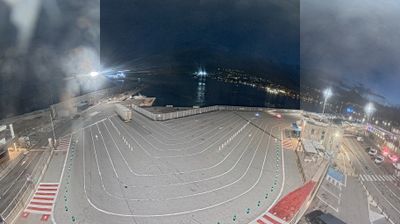
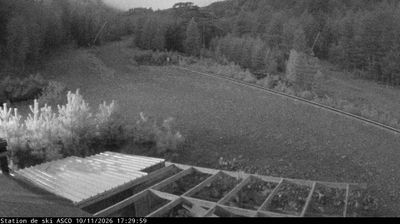


L’Île-Rousse occupies a low coastal strip on the Balagne shore of north-western Corsica, facing the Mediterranean Sea. Its name comes from the red porphyry rocks of the Île de la Pietra and neighbouring islets, which are joined to the town by a causeway; the Pietra lighthouse marks this small headland. Founded in 1758 by Corsican leader Pasquale Paoli, L’Île-Rousse was intended to provide a port independent of Genoese-held Calvi. The grid of central streets, market square and waterfront distinguish it from Corsica’s older hill settlements. Beaches and rail links make it a useful base for the Balagne coast, while inland roads lead towards villages in the Corsican hills. View additional webcams nearby to better understand how L’Île-Rousse and Balagne relate to the Corsican coast.
2 webcams
Built around Mediterranean sea routes and mountain communities, Corsica grew into a distinctive French island with a strong regional identity. Its terrain rises abruptly from the coast to the granite summits of the central mountains, crowned by Monte Cinto, the island’s highest peak. The long-distance GR 20 crosses this rugged spine, while beaches and sheltered coves line much of the shore. Ajaccio, on the west coast, is the birthplace of Napoleon Bonaparte; elsewhere, the Corsican language, polyphonic singing and local food traditions reflect ties to both France and the wider Mediterranean. Find related webcams across Corsica and nearby shores to build a fuller picture of this Mediterranean island.
18 webcams
The Atlantic and Mediterranean coastlines, together with the Alps, Pyrenees and broad river basins, define much of France — they support maritime trade, farming, wine regions and travel throughout the year. The Seine runs through Paris, where the Eiffel Tower and the Louvre are among Europe’s most recognised landmarks. The Loire Valley is known for Renaissance châteaux, while Mont-Saint-Michel rises from a tidal bay in Normandy. Regional food traditions are equally distinctive, from Breton seafood to Provençal cooking, with bread, cheese and wine central to everyday life. France’s global cultural influence is evident in its language, literature, fashion and cinema. View additional webcams nearby to better understand how France’s coasts, plains and mountain borders relate to their surroundings.
2.2K webcams