 Kuhlungsborn

Developed along the Baltic Sea shore, Kühlungsborn grew into Mecklenburg-Vorpommern’s largest seaside resort. The town was created in 1938 through the union of the former villages of Brunshaupten, Arendsee and Fulgen, and its broad waterfront remains central to local life. A long promenade follows the sandy coast, linking villa-lined resort streets with the 240-metre pier at Kühlungsborn Ost. Inland, the wooded Kühlung ridge gives this stretch of the Mecklenburg coast a low-rise character. Kühlungsborn is also the terminus of the historic Molli narrow-gauge railway from Bad Doberan, a well-known regional route.
Generated by AI
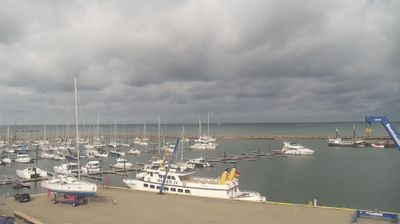
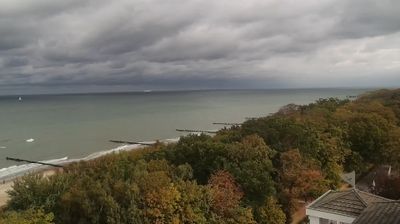

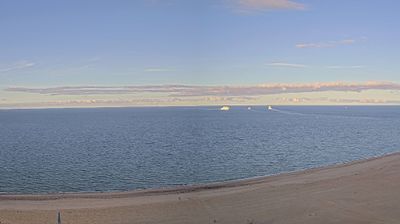
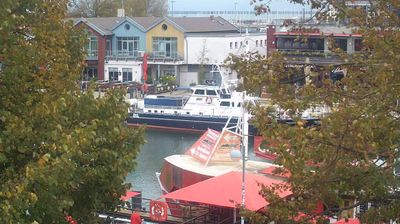
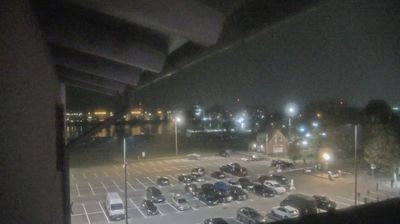

Few towns in Mecklenburg-Vorpommern have a history as closely tied to the rise of Baltic seaside holidays as Kühlungsborn. Set on Germany’s Baltic coast, the resort developed from the former communities of Brunshaupten, Arendsee and Fulgen, which were united under the present name in 1938. Its broad shore is backed by a long promenade, while the wooded Kühlung ridge rises just inland and gave the town its name. The historic Molli narrow-gauge steam railway links Kühlungsborn with Bad Doberan, adding a distinctive rail journey to the coast. Discover other points of interest through webcams located across Kühlungsborn and Mecklenburg-Vorpommern.
5 webcams
Mecklenburg-Vorpommern is best known within Germany for its Baltic Sea coastline, including the islands of Rügen and Usedom. Its northern edge meets the Baltic, while the interior is marked by lakes, lowland forests and farmland; Lake Müritz is Germany’s largest lake lying entirely within the country. The white chalk cliffs of Jasmund National Park on Rügen are among the state’s defining coastal formations. Stralsund and Wismar retain historic Hanseatic town centres, both inscribed on UNESCO’s World Heritage List. Ports, seaside resorts and lake districts give the region a distinctly northern character. Continue with other webcams from the area to see how this part of northeastern Germany connects regionally.
92 webcams
Germany stretches from the North Sea and Baltic Sea coasts to the Alps on its southern border, encompassing northern plains, river valleys and forested uplands. The Rhine, Danube and Elbe have long connected its regions, while the Black Forest and Bavarian Alps give the south a more dramatic relief. Berlin’s Brandenburg Gate and Museum Island reflect the capital’s role in German history and culture. Cologne Cathedral, a UNESCO World Heritage Site, rises above the Rhine, and the Bauhaus movement, founded in Weimar in 1919, transformed modern design far beyond Germany. Regional cooking, Christmas markets and brewing traditions bring further character to daily life. Browse additional webcams from the surrounding area to extend your view of Germany.
2.5K webcams