 Hugo: US 61: T.H.61 NB @ 152nd St N (MP 153.3)
Hugo has served as a farming settlement in Washington County since the mid-19th century. The city stands on the northeastern edge of the Minneapolis–Saint Paul metropolitan area, where residential growth meets the lakes, wetlands and former agricultural land of east-central Minnesota. Rice Lake is among the local water bodies that shape the open, low-lying character of this part of the county. Hugo developed from a small railroad-era community and takes its name from the French author Victor Hugo. Today, major north–south roads and newer neighbourhoods connect it closely with the Twin Cities, while broad green spaces and a comparatively spacious layout remain part of its identity.
Generated by AI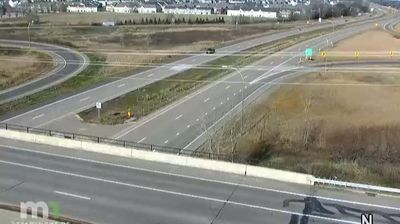
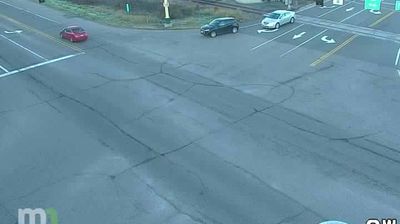



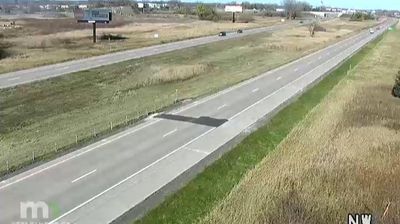
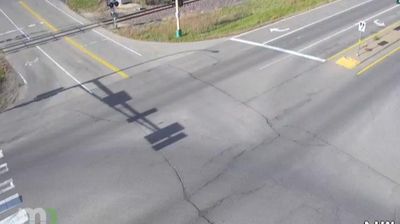

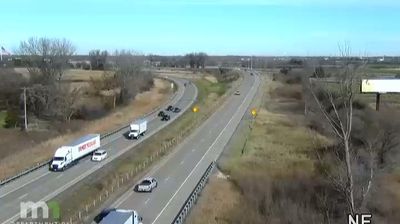


Hugo lies beside Oneka Lake in northern Washington County, Minnesota, where wooded neighborhoods, wetlands and open water mark the northeastern edge of the Twin Cities metropolitan area. The city retains a lakeside, small-town scale despite rapid residential growth, with parks and trails linking everyday life to the surrounding water and woodland. Hugo’s name honors the French writer Victor Hugo, giving this Minnesota community an unusual literary connection. Its position north of Saint Paul helps illustrate the transition from the capital region’s denser suburbs to Minnesota’s lake-dotted countryside. Browse other webcams across Minnesota and the Twin Cities region to place Hugo in a wider geographic context.
4 webcams
Forests, prairie and a vast lake country define much of Minnesota – these environments sustain farming, recreation and communities accustomed to long, cold winters. The Mississippi River begins at Lake Itasca in the north, then crosses the state on its way south, while Minnesota’s Lake Superior shoreline brings a markedly different, rocky Great Lakes character to the northeast. Minneapolis and Saint Paul form the Twin Cities on the river, the state’s principal urban centre. Minnesota is also home to Dakota and Ojibwe communities whose cultural presence remains central to the region. Move on to other webcams in the region to compare landscapes and settings around Minnesota.
1.6K webcams
The Atlantic, Pacific and Gulf coasts define much of the United States — their ports, fisheries and trade routes have long tied the country’s economy to the wider world. Between them, the Rocky Mountains, Great Plains and Mississippi River basin form sharply different regions, from high western ranges to broad agricultural heartlands. Cities carry much of the national story: New York’s Statue of Liberty, a gift from France dedicated in 1886, remains an enduring symbol, while Washington, DC concentrates major federal institutions. Indigenous nations have shaped these lands for millennia, and their living cultures remain essential to the country’s identity. Find related webcams in the surrounding areas to build a fuller picture of the United States.
32K webcams