 Halmstad: Norra söderut
Few places in Halland have a history as closely tied to control of the River Nissan as Halmstad. Where the Nissan reaches the Kattegat, the city developed as a port and crossing point on Halland’s coast. Halmstad belonged to Denmark until Halland came under Swedish control under the Treaty of Brömsebro in 1645 and was permanently ceded in 1658. Halmstad Castle, commissioned by Christian IV and completed in 1618, recalls that era. The centre combines pedestrian streets, riverside walks and public art, while the surrounding municipality extends from the coast into farmland and woodland. The E6 passes the city as Sweden’s principal west-coast motorway.
Generated by AI
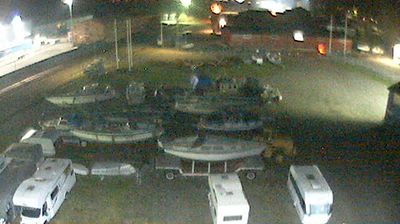

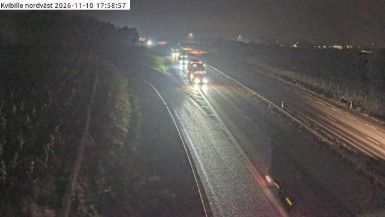
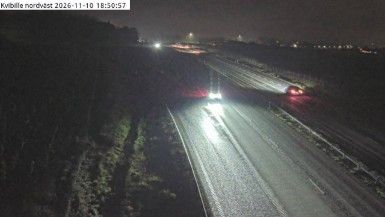
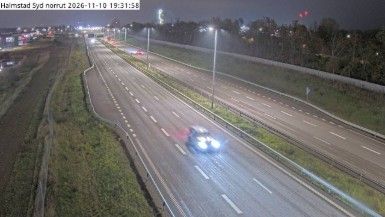





Among the cities of Halland County, Halmstad is distinguished by its position where the Nissan River reaches the Kattegat. The river runs through the centre past Halmstad Castle, a Renaissance residence commissioned by Denmark’s Christian IV in the early 1600s, when Halland still belonged to Denmark. Nearby, St Nicholas Church has medieval origins, while Stora Torg remains a focal point for civic life. West of the centre, Tylösand meets the open coast with a long sandy beach. Picassoparken, beside the Nissan, is home to Pablo Picasso’s monumental Head of a Woman, installed in 1971. Explore nearby locations for complementary perspectives on Halmstad and the Halland coast.
7 webcams
Among Sweden’s counties, Halland County stands out for its long, low-lying coastline on the Kattegat. Sandy beaches, dunes and open farmland shape the western edge, while forests and lakes occupy much of the interior. The Nissan River runs through Halmstad, the county seat, before reaching the sea, and the coast also includes the historic town of Varberg, known for Varberg Fortress. Halland belonged to Denmark until it was ceded to Sweden in 1645, a past still reflected in the region’s position along the old Danish-Swedish frontier. Continue through nearby webcams to explore different parts of Halland County.
30 webcams
Sweden combines Baltic coastal life with Arctic expanses in a way that reflects its position within northern Europe. Forests, lakes and long shorelines define much of the country, from Lake Vänern in the south to the Gulf of Bothnia and the mountains along the Norwegian border. Stockholm spreads across islands where Lake Mälaren meets the Baltic Sea, while the preserved 17th-century warship at the Vasa Museum recalls Sweden’s era as a major European power. Midsummer celebrations and the traditions of the Sámi people add further depth to its regional identity. Browse other webcams across Sweden to place this setting in a wider geographic context.
984 webcams