 Gothenburg: Gullbergsmotet Norra
Gothenburg sits at the mouth of the Göta älv in Västra Götaland County, Sweden, where inland waterways meet the Kattegat coast. Founded in 1621 by King Gustav II Adolf, it developed into Sweden’s largest port and a major link to the North Sea and international trade. The broad river corridor, docks, freight routes and working harbour remain central to the city’s identity, while former industrial areas now share space with housing, offices and cultural venues. Road and rail corridors connect the waterfront with central districts and surrounding municipalities. Gothenburg is also the home of Volvo, founded here in 1927, and combines its maritime and manufacturing heritage with universities, museums and an active music scene.
Generated by AI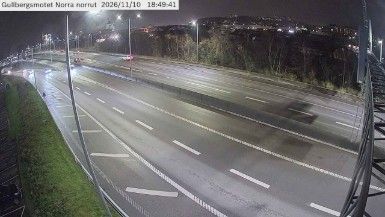

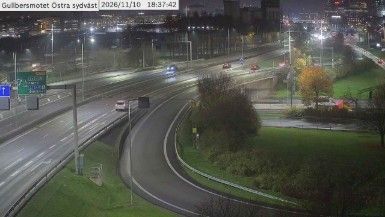
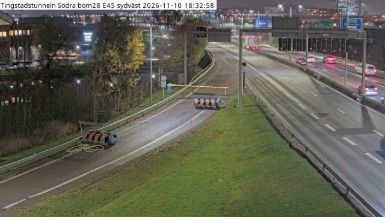
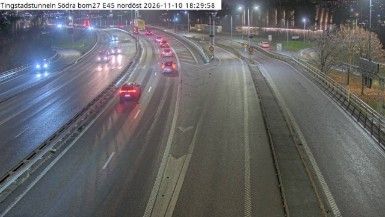
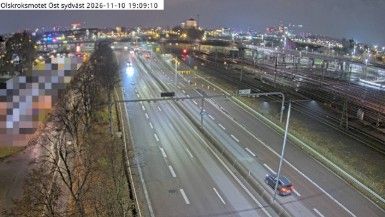
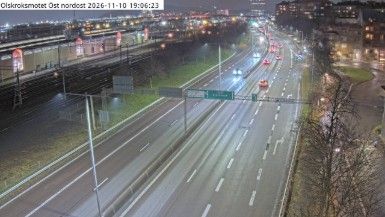

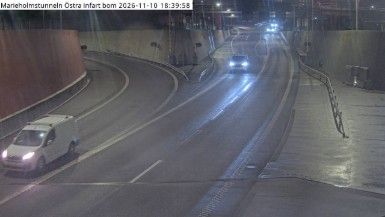
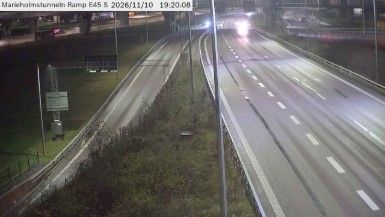

Gothenburg lies along the Göta älv, where Sweden’s largest river reaches the Kattegat on the country’s west coast. The city developed as a major port, and its quays, canals and active harbour still give the centre a distinctly maritime scale. Founded in 1621, Gothenburg was planned with Dutch assistance; the moat and canals around the old core recall that early design. Haga, once a working-class district, is known for preserved wooden houses and cafés, while the Gothenburg Archipelago begins beyond the urban waterfront. The city is also home to Liseberg, one of Scandinavia’s best-known amusement parks, and the Gothenburg Museum of Art at Götaplatsen. Continue through nearby webcams to explore Gothenburg and the Västra Götaland coast.
21 webcams
Västra Götaland County has served as an administrative region within Sweden since 1998. It brings together the historic provinces of Västergötland, Bohuslän and Dalsland, extending from the Skagerrak coast to the shores of Lake Vänern, Sweden’s largest lake. Gothenburg, Sweden’s second-largest city, is its urban centre and a major port on the Göta älv. Along the coast, the Bohuslän archipelago is defined by granite islands and fishing communities, while inland waterways around Trollhättan connect Vänern with the west coast. Läckö Castle, on the shore of Vänern, recalls the region’s early-modern aristocratic past. Trace Västra Götaland County’s place in western Sweden by browsing webcams across the region.
399 webcams
Sweden combines Baltic coastal life with Arctic expanses in a way that reflects its position within northern Europe. Forests, lakes and long shorelines define much of the country, from Lake Vänern in the south to the Gulf of Bothnia and the mountains along the Norwegian border. Stockholm spreads across islands where Lake Mälaren meets the Baltic Sea, while the preserved 17th-century warship at the Vasa Museum recalls Sweden’s era as a major European power. Midsummer celebrations and the traditions of the Sámi people add further depth to its regional identity. Browse other webcams across Sweden to place this setting in a wider geographic context.
987 webcams