 Flirsch: Stanzertal - Lechtal Alps
The landscape around Flirsch is a steep, forested Alpine valley, which has shaped both the built environment and local life. The village stands in Tyrol’s Stanzertal, where the Rosanna River follows the valley floor beneath the Lechtal Alps. This narrow corridor is part of the Arlberg area, a long-established route across the Austrian Alps. The Arlberg Railway, opened in 1884, passes through the Stanzertal and helped bind its settlements more closely to Austria’s rail network. Flirsch is defined by the close relationship of river, transport corridor and mountain slopes, with the Lechtal Alps forming the northern side of the valley. It is a quieter reference point in a region known for the Arlberg Pass and larger resorts.
Generated by AI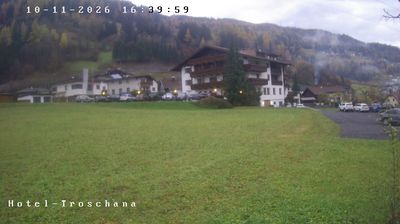


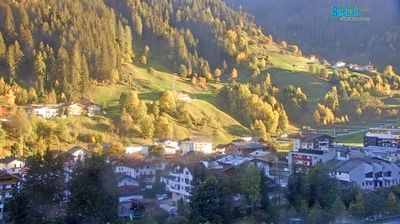
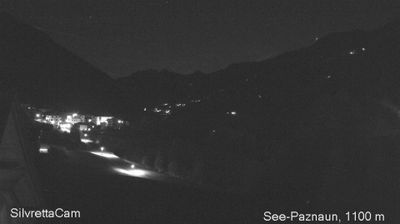
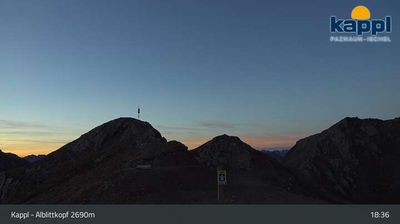
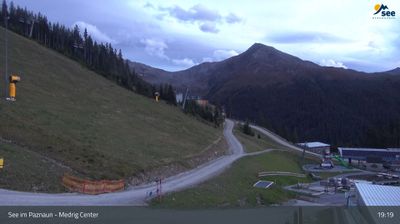

Among the settlements of Tyrol, Flirsch stands out for its setting in the Stanzertal, where the Rosanna River runs below the Arlberg. This compact Alpine municipality lies on the historic corridor leading towards the Arlberg Pass, the long-established crossing between Tyrol and Vorarlberg. The Parish Church of St Bartholomew forms a recognisable landmark amid the village, while farms and houses extend along the valley floor and lower slopes. Forested mountains close in around Flirsch, giving the settlement a distinctly high-valley character through every season. Browse other webcams across Tyrol to place this Alpine setting in a wider geographic context.
2 webcams
Tyrol combines an energetic alpine identity with an established urban culture in a way that reflects its position within the central Eastern Alps. Innsbruck, the regional capital on the River Inn, lies beneath the Nordkette range and brings imperial-era architecture into close contact with high mountain terrain. Its Golden Roof remains one of the city’s best-known historic landmarks, while the surrounding valleys connect settlements, ski areas and hiking country across the region. Continue through nearby webcams to explore different parts of Tyrol.
681 webcams
Austria stretches from the Bohemian Massif along its northern edge to the Carnic Alps on the Italian border, encompassing high Alpine ranges and the Danube lowlands. The Danube links cities including Linz and Vienna, while the Grossglockner, at 3,798 metres, is the country’s highest mountain. Vienna developed for centuries as the seat of the Habsburg court, leaving imperial architecture around the Hofburg and Schönbrunn Palace. Salzburg is closely associated with Wolfgang Amadeus Mozart, who was born there in 1756. Alpine Tyrol, wine-growing areas east of Vienna and the lakes of Salzkammergut add markedly different regional identities. Browse other webcams across Austria to place this setting in a wider geographic context.
3.2K webcams