 Fasano
The landscape around Fasano is a limestone transition between the Murge plateau and the Adriatic coast, which has shaped both the built environment and local life. The town stands inland from the sea in central Apulia, where compact pale-stone neighbourhoods give way to olive-growing countryside. Its historic centre retains narrow streets and small squares typical of the region’s older settlements. Fasano’s municipal territory reaches the coast at Savelletri and includes the Archaeological Park of Egnazia, the remains of an ancient Messapian and later Roman settlement. Inland, the wooded hills of the Selva di Fasano contrast with the flatter coastal plain. This position links an active provincial town with farms, resorts and archaeological sites along Apulia’s Brindisi coast.
Generated by AI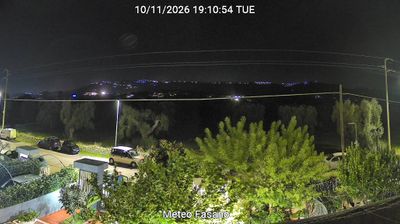
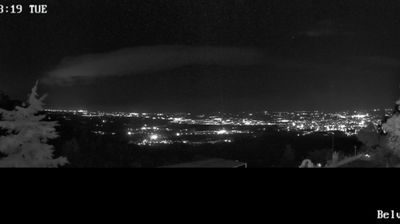

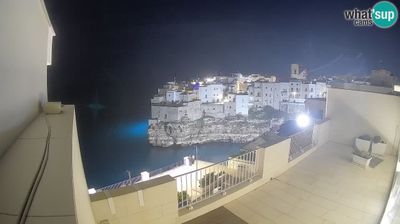



Fasano lies along Apulia’s Adriatic coastal plain, with the limestone rise of the Murge behind it and the sea a short distance east. Its territory stretches from farmland and ancient olive groves towards the coast to the wooded slopes around Selva di Fasano, a higher district long used as a summer retreat. Near the shore, the Archaeological Park of Egnazia preserves remains of a Messapian settlement and the later Roman town of Egnatia, once connected to the Via Traiana. In Fasano’s old centre, narrow lanes, small squares and whitewashed façades retain the scale of a southern Italian market town. The area is also known for its masserie, historic fortified farmhouses that reflect Apulia’s agricultural past. Move on to other webcams in Apulia to compare coastal plains and hill settings around Fasano.
3 webcams
Among the regions of Italy, Apulia stands out for its long Adriatic and Ionian shoreline, tracing the heel of the peninsula. Inland, the limestone Murge plateau leads into olive groves, vineyards and the broad agricultural plain around Bari, while the Gargano promontory reaches into the Adriatic in the north. Its towns retain distinctive stone architecture: Alberobello is known for trulli, whitewashed circular dwellings with conical roofs, and Castel del Monte, commissioned by Emperor Frederick II, stands on a hill near Andria. Apulian cooking centres on olive oil, durum wheat, vegetables and seafood, reflecting both farmland and coast. Browse webcams around Apulia to see how the region connects with southern Italy.
57 webcams
Among the countries of southern Europe, Italy stands out for its Mediterranean coastline and cities marked by the legacy of ancient Rome. The Alps form its northern frontier, while the Apennines run down the peninsula and the Po crosses the broad plain of the north. Rome’s Colosseum and Roman Forum recall the ancient empire; Florence is closely associated with the Renaissance, and Venice is built across a lagoon on the Adriatic. Food changes markedly between regions, from olive-oil cooking in the south to rice dishes in the Po Valley. Sicily and Sardinia add distinct island identities to a country whose regions retain strong local character. Explore nearby webcam locations that provide complementary perspectives on Italy’s coasts, cities and mountains.
3.1K webcams