 Ebes: Hajdúszoboszló
The Great Hungarian Plain defines the setting of Ebes — broad, level farmland gives this settlement west of Debrecen an open, low-rise character. Ebes stands in Hajdú-Bihar County, within eastern Hungary’s lowlands, where cultivated fields and lines of roadside trees surround the built-up area. The village is connected to the road and rail networks serving Debrecen, Hungary’s second-largest city. Debrecen has long been a regional cultural centre and is home to the Reformed Great Church, a major symbol of Hungarian Protestantism. Ebes belongs to a settled agricultural corridor rather than an isolated rural outpost, with everyday movement between villages, farmland and the nearby city shaping its identity.
Generated by AI
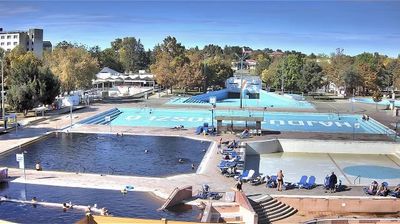
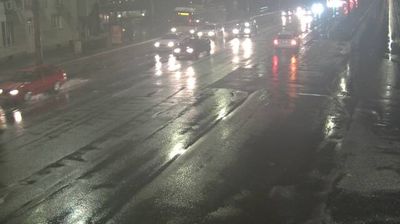
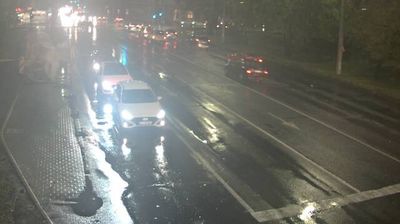

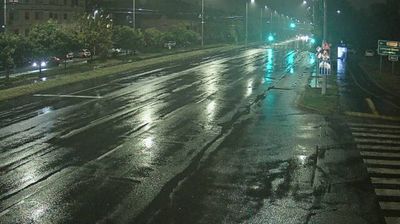
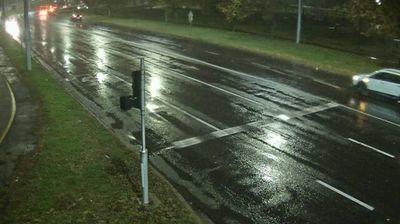

Ebes sits on the Great Hungarian Plain in eastern Hungary, where broad, level farmland stretches west of Debrecen. The settlement lies on Hungary’s Budapest–Debrecen railway corridor, placing it within a rural district shaped by cultivation and the open horizons of the Alföld. Nearby Debrecen is closely identified with Hungary’s Reformed tradition; its Great Reformed Church hosted the 1849 declaration of Hungarian independence. Browse other webcams across Hajdú-Bihar County to place Ebes in a wider geographic context.
2 webcams
Built around the Tisza River basin and the trading routes of the Great Hungarian Plain, Great Plain and North developed into a broad region where open farmland meets Hungary’s northern hills. The Tisza and its floodplain have long influenced settlement and agriculture, while the plains retain the puszta character associated with horse breeding and herding. Hortobágy National Park, Hungary’s first national park and a UNESCO World Heritage site, safeguards a cultural landscape of grassland, wetlands and traditional pastoral use. Farther north, the terrain rises toward the country’s mountain districts. Continue with other webcams from the area to see how this part of Hungary connects between the plain and northern uplands.
274 webcams
Hungary combines a long urban tradition with expansive lowland horizons in a way that reflects its position within the Carpathian Basin. The Danube runs through Budapest, separating the hills of Buda from the grand boulevards of Pest, where the Hungarian Parliament Building stands on the riverbank. Beyond the capital, the Great Hungarian Plain shapes much of the east, while Lake Balaton, Central Europe’s largest lake, draws summer visitors to its shores. Thermal bathing remains part of everyday life, and the Tokaj region is internationally known for its historic sweet wines. Explore nearby webcam locations that provide complementary perspectives on Hungary.
742 webcams