 Bognanco: Vercengio
Vercengio occupies a wooded slope above the Bognanco Valley in Piedmont, where steep Alpine terrain has kept settlement dispersed among small hamlets. The valley belongs to the Ossola area, north of Domodossola and close to the Swiss border, with the Bogna stream running along its floor. Larch and other conifers define the slopes around Vercengio, which retain a strongly rural mountain character. The wider Bognanco Valley is also known for its mineral springs at Bognanco Fonti, a long-established spa resort. This part of the Italian Alps is shaped by forest, pastures and traditional seasonal land use rather than urban development.
Generated by AI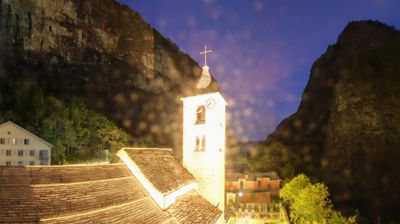

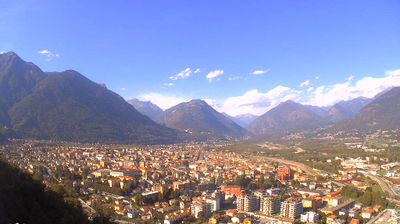
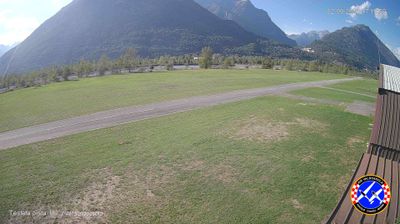
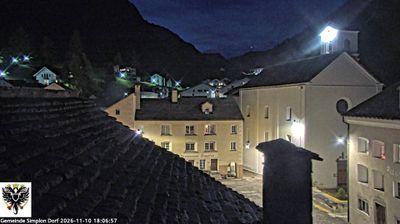
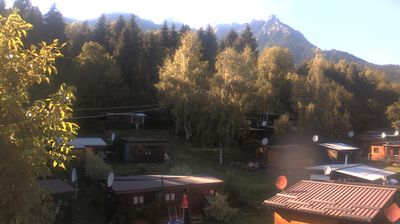
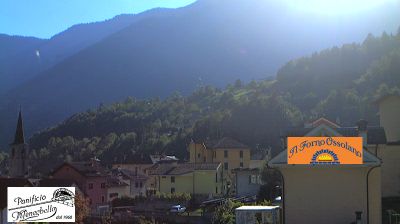


Bognanco sits in the Bognanco Valley in Piedmont, Italy, where a side valley of the Lepontine Alps rises towards the Swiss border. The Bogna stream descends through the valley towards Domodossola and the Toce River, linking this quiet mountain commune with the wider Ossola area. Bognanco is formed by scattered hamlets rather than one dense centre, with woodland and high pastures shaping its setting. Mineral waters are central to local identity at Bognanco Terme, a spa area known for its springs. Continue through nearby webcams to explore different parts of Bognanco and the Ossola valleys.
1 webcam
Piedmont occupies Italy’s northwestern corner, between the Alps, the Apennines and the Po Valley. The Po, Italy’s longest river, begins in the Cottian Alps and flows east across the region’s plains, while vine-covered hills define the Langhe, Roero and Monferrato areas. Turin, Piedmont’s principal city, was the first capital of unified Italy from 1861 to 1865 and remains closely associated with the House of Savoy, grand boulevards and chocolate-making. Beyond the city, the region’s identity ranges from Alpine valleys to rice fields around Vercelli and renowned wine country. Move on to other webcams in the region to compare landscapes and settings around Piedmont.
305 webcams
Among the countries of southern Europe, Italy stands out for its Mediterranean coastline and cities marked by the legacy of ancient Rome. The Alps form its northern frontier, while the Apennines run down the peninsula and the Po crosses the broad plain of the north. Rome’s Colosseum and Roman Forum recall the ancient empire; Florence is closely associated with the Renaissance, and Venice is built across a lagoon on the Adriatic. Food changes markedly between regions, from olive-oil cooking in the south to rice dishes in the Po Valley. Sicily and Sardinia add distinct island identities to a country whose regions retain strong local character. Explore nearby webcam locations that provide complementary perspectives on Italy’s coasts, cities and mountains.
3K webcams