 Castelli: Monte Camicia - Gran Sasso d'Italia
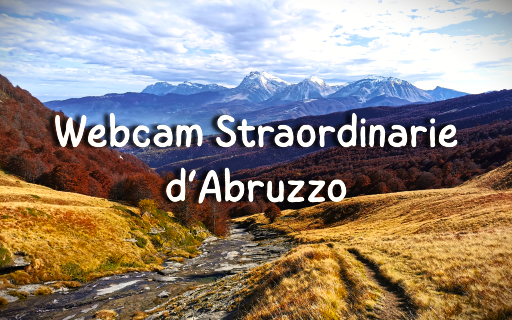
Among the places of Abruzzo, Castelli stands out for its centuries-old maiolica tradition beneath the Gran Sasso massif. The small town occupies the eastern foothills of the Apennines, near Monte Camicia, one of the prominent peaks of Gran Sasso d’Italia. Ceramics have shaped Castelli’s identity since the Renaissance: its painted tin-glazed wares became sought after far beyond the region, and the local Museo delle Ceramiche preserves this craft heritage. The ceramic-tiled ceiling of the Church of San Donato is another remarkable expression of the local tradition. Castelli brings together Italian artisanal culture and the powerful mountain character of the highest range in the Apennines.
Generated by AI

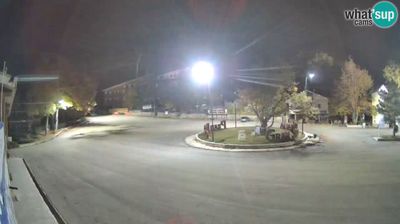







Castelli occupies a mountain valley beneath the Gran Sasso massif in Abruzzo. On the eastern side of the Apennines, in the province of Teramo, the settlement is enclosed by steep slopes and woodland, far from the Adriatic coastal plain. Castelli is renowned for maiolica: local workshops developed a ceramic tradition that flourished from the Renaissance onward, while the Museo delle Ceramiche preserves examples of this distinctive work. The church of San Donato is noted for its ceiling decorated with majolica tiles. Discover further points of interest through webcams located across Abruzzo.
3 webcams
Abruzzo occupies a mountainous stretch between the central Apennines and the Adriatic Sea in Italy. Much of its identity comes from protected uplands: the Gran Sasso massif includes Corno Grande, at 2,912 metres the highest summit of the Apennines, while the Majella rises farther south. Forest, high pastures and valleys descend towards a long Adriatic coast. L’Aquila, the regional capital, retains its medieval core, and Abruzzo’s food culture is noted for saffron from the Navelli plateau and Montepulciano d’Abruzzo wine. See how Abruzzo fits into the wider central Italian landscape by browsing webcams nearby.
120 webcams
Among the countries of southern Europe, Italy stands out for its Mediterranean coastline and cities marked by the legacy of ancient Rome. The Alps form its northern frontier, while the Apennines run down the peninsula and the Po crosses the broad plain of the north. Rome’s Colosseum and Roman Forum recall the ancient empire; Florence is closely associated with the Renaissance, and Venice is built across a lagoon on the Adriatic. Food changes markedly between regions, from olive-oil cooking in the south to rice dishes in the Po Valley. Sicily and Sardinia add distinct island identities to a country whose regions retain strong local character. Explore nearby webcam locations that provide complementary perspectives on Italy’s coasts, cities and mountains.
3.1K webcams