 Oliva: Port d'Oliva - Club Nautico Oliva - Montgó Massif
Oliva has served as an agricultural town on the Valencian coast since the Middle Ages. Its historic centre lies inland from the Mediterranean, while Port d’Oliva and Club Náutico Oliva give the municipality a maritime focus beside a broad sandy coast. South of town, the Marjal de Pego-Oliva Nature Park protects wetlands shared with neighbouring Pego, and the Montgó Massif rises beyond the shoreline toward Dénia. Citrus cultivation has long defined the surrounding plain, with oranges still a key local crop. In the old town, the 15th-century Palau dels Centelles recalls the family associated with the Duchy of Oliva, linking the modern coastal district to a feudal past.
Generated by AI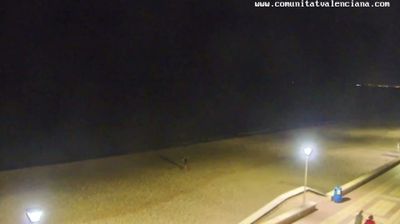


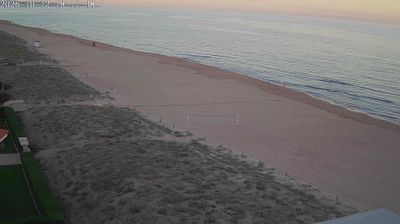
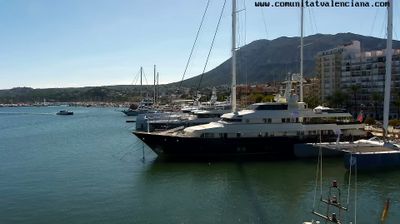
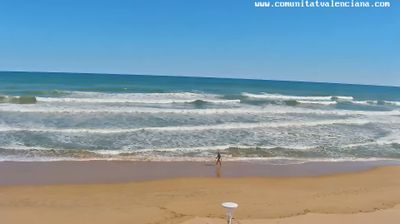
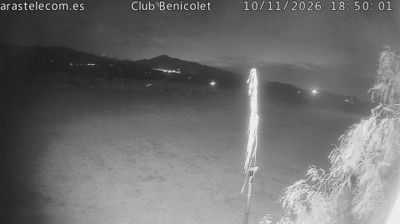
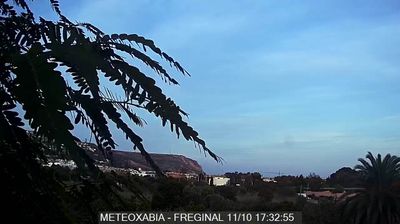
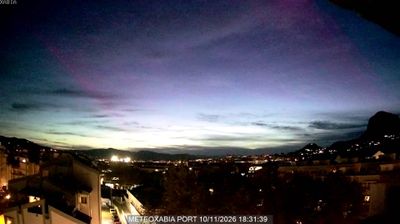
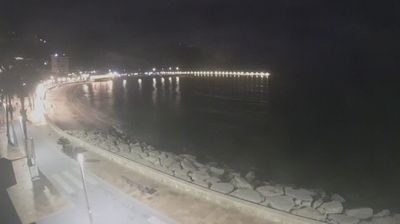

The Mediterranean coastline defines the setting of Oliva — long sandy beaches and low-lying farmland extend east of the town in Spain’s Valencian Community. In La Safor, Oliva combines a compact historic centre with a coastal district that becomes particularly active in the holiday season. Its older streets still reflect the town’s two medieval communities: the Christian Vila and the Raval, the quarter associated with its Muslim past. Nearby, the Pego-Oliva Marsh Natural Park preserves wetlands, channels and rice-growing land, adding a markedly different environment to the shore. Orange cultivation remains part of the wider regional identity, while Valencian and Spanish are both heard in daily life. Browse additional webcams from the surrounding area to extend your view of Oliva and the Valencian coast.
1 webcam
The Valencian Community has served as a Mediterranean cultural crossroads within eastern Spain since the Middle Ages. Its coastline on the Balearic Sea extends from the Costa del Azahar to the Costa Blanca, while the Turia and Júcar rivers cross fertile plains inland. Valencia, the regional capital, was the centre of the medieval Kingdom of Valencia, founded in 1238, and preserves the Silk Exchange, a UNESCO World Heritage site. Rice cultivation around the Albufera lagoon informs local cooking, including paella, while the annual Fallas festivities fill Valencia with sculpture, fire and civic ritual. Discover other points of interest through webcams located across the Valencian Community.
81 webcams
Spain extends from the Cantabrian coast to the Canary Islands, encompassing Atlantic shores, Mediterranean beaches and the broad interior Meseta. The Pyrenees form its northeastern frontier, while the Guadalquivir crosses Andalusia on its way to the Atlantic. Madrid anchors the country’s political and cultural life, but distinct regional identities are central to Spain’s character: Catalonia, the Basque Country, Galicia and Andalusia each have their own languages or strong local traditions. Granada’s Alhambra is a major monument of the medieval Nasrid dynasty, and Santiago de Compostela remains the destination of the Camino de Santiago. Browse related webcams around the Iberian Peninsula to build a fuller picture of Spain.
1.4K webcams