 Las Vegas
 lies in the Las Vegas Valley, a broad Mojave Desert basin bounded to the west by the Spring Mountains. This vast urban area grew around a railroad stop established in 1905 and was incorporated as a city in 1911. Its defining landmark is the Las Vegas Strip, the resort corridor known for large casino hotels, theatres and elaborate themed architecture; it lies largely outside the city limits in neighbouring Paradise. Las Vegas has become internationally associated with entertainment and hospitality on a grand urban scale. Beyond the resort zone, residential districts spread across the valley floor beneath dry ranges, while the Spring Mountains form a strong western edge to the metropolis.
Generated by AI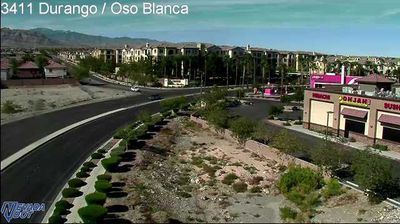
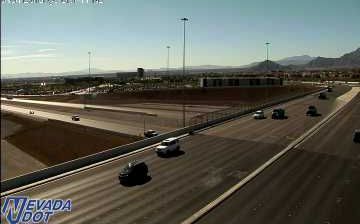


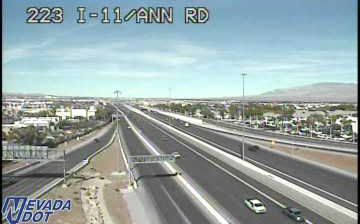

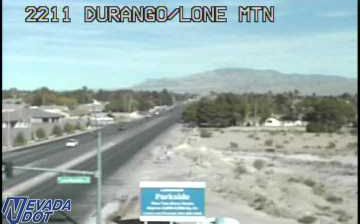

Tucked into the Las Vegas Valley of the Mojave Desert, Las Vegas is a place whose character is shaped by extreme aridity and a cityscape built for entertainment. The Spring Mountains rise to the west, a sharp counterpoint to the low, broad basin in which the metropolis spread. Las Vegas began as a railroad town in 1905, near springs that gave the area its Spanish name, “the meadows.” Downtown’s Fremont Street remains its historic commercial spine, while the renowned Strip lies largely south of the city limits in unincorporated Paradise. The Neon Museum preserves another local legacy through restored casino and hotel signs. View additional webcams nearby to better understand how Las Vegas relates to the Mojave Desert and southern Nevada.
85 webcams
Nevada occupies an inland basin-and-range expanse in the western United States. Much of the state lies within the Great Basin, where long, dry valleys alternate with north–south mountain ranges and the Humboldt River crosses the northern interior. The Sierra Nevada forms part of its western edge, while the Colorado River marks much of the southeastern border. Nevada’s modern identity was shaped by mining: the 1859 Comstock Lode silver discovery near Virginia City helped fuel rapid development in the American West. Today, vast public lands, desert highways, ranching country and major cities such as Las Vegas give the state strikingly varied character. Browse other webcams across Nevada to place this setting in a wider geographic context.
444 webcams
The Atlantic, Pacific and Gulf coasts define much of the United States — their ports, fisheries and trade routes have long tied the country’s economy to the wider world. Between them, the Rocky Mountains, Great Plains and Mississippi River basin form sharply different regions, from high western ranges to broad agricultural heartlands. Cities carry much of the national story: New York’s Statue of Liberty, a gift from France dedicated in 1886, remains an enduring symbol, while Washington, DC concentrates major federal institutions. Indigenous nations have shaped these lands for millennia, and their living cultures remain essential to the country’s identity. Find related webcams in the surrounding areas to build a fuller picture of the United States.
32K webcams