 Pigadia: 3-5 Pigadia
3–5 Pigadia is best known in northern Greece for its ski centre on Mount Vermio. High in the Vermio Mountains above Naousa, it is laid out with cleared pistes, lift installations and broad wooded slopes, a marked contrast to the agricultural lowlands of Macedonia. The resort is among the principal winter-sports centres of this mountainous part of Greece and is closely tied to the nearby town of Naousa. Naousa is noted for Xinomavro, the red grape of the protected Naoussa wine appellation. This association places the mountain centre within a region shaped both by forested terrain and a long-established wine-growing tradition.
Generated by AI
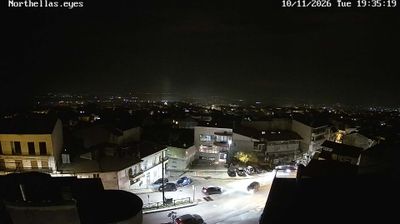
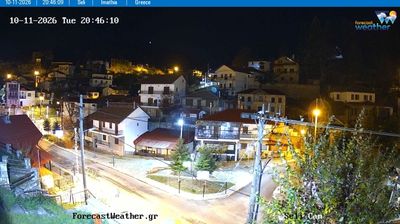

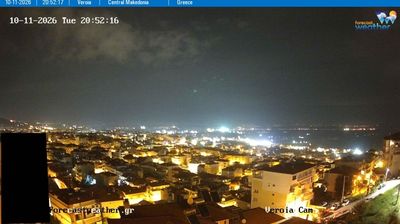
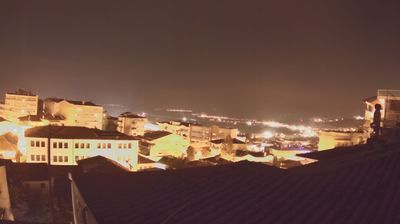


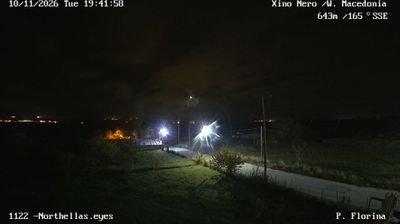
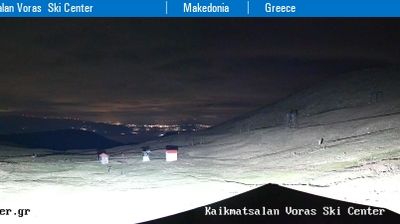

Pigadia lies on the eastern foothills of the Vermio Mountains in northern Greece, where wooded uplands descend toward the agricultural plain around Naousa. The settlement belongs to a quieter side of Imathia, shaped by the mountain climate and its proximity to the larger town. Naousa is widely known for Xinomavro wines, and the protected Naoussa designation is among Greece’s established red-wine appellations. The Vermio range forms a natural divide between the central Macedonian plain and the inland highlands, giving this area a distinctly upland character. Find related webcams in the surrounding area to build a fuller picture of Pigadia and the Vermio foothills.
1 webcam
Macedonia and Thrace has served as a cultural crossroads in the Greek lands since antiquity. Around the lower Strymon River, fertile plains meet the foothills and routes that have long linked the Aegean coast with the Balkan interior. Ancient Amphipolis, founded by Athenians in 437 BC, grew beside a strategic crossing of the Strymon and later became an important Macedonian and Roman centre. Farther east, the archaeological site of Philippi recalls the Roman Via Egnatia and the region’s place in Mediterranean travel and trade. Browse other webcams across Macedonia and Thrace to place this setting in a wider geographic context.
70 webcams
Greece occupies a mountainous peninsula and island-dotted coastline in southeastern Europe. The Aegean Sea shapes its eastern shore, while the Ionian Sea lies to the west; Crete is the country’s largest island. Athens is anchored by the Acropolis, where the Parthenon has stood since the fifth century BCE as a defining monument of classical antiquity. Beyond the capital, the Pindus Mountains run through the mainland, and Mount Olympus is associated in ancient Greek religion with the home of the gods. Greek food traditions centre on olive oil, seafood, cheeses and regional dishes, with long meals remaining an important part of social life. Continue through nearby webcams to explore the islands and mainland regions of Greece.
490 webcams