 Ratzeburg: Ratzeburger Segler-Verein e.V. -Westhafen
Ratzeburg has served as an episcopal centre in what is now Schleswig-Holstein since the 11th century. The town occupies an island-like setting between the Ratzeburger See and the Küchensee, with further lakes shaping its edges and a long tradition of watersports. Westhafen is part of this lakefront world, providing berths for the Ratzeburger Segler-Verein. Above the waterfront, Ratzeburg Cathedral preserves the monumental Romanesque character of the former bishopric; construction began in the 12th century. Brick and half-timbered buildings, waterside paths and boat facilities give this small district town a distinctly lakeside identity.
Generated by AI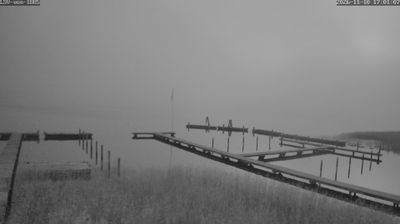



Ratzeburg has served as a cathedral town in Schleswig-Holstein since the 12th century. Its historic centre occupies an island between four lakes, with Ratzeburger See forming its broad eastern shore amid the wooded Lauenburg Lakes district. Ratzeburg Cathedral, founded after the bishopric was re-established in 1154, ranks among northern Germany’s significant Romanesque brick churches. The town is also associated with sculptor Ernst Barlach, whose work is represented at the Ernst Barlach Museum. Browse additional webcams from the surrounding area to extend your view of the Lauenburg Lakes.
1 webcam
Schleswig-Holstein blends maritime openness with rural calm in a way that reflects its position between the North Sea and the Baltic Sea. Germany’s northernmost state borders Denmark and stretches across low farmland, marshes, sandy shores and islands. The Kiel Canal crosses the region, linking the North Sea at Brunsbüttel with the Baltic near Kiel. On the west coast, the tidal flats of the Wadden Sea form part of a UNESCO World Heritage site. Lübeck’s historic centre, shaped by the Hanseatic League and Brick Gothic architecture, adds an important urban counterpoint. Browse additional webcams from the surrounding area to extend your view of Schleswig-Holstein.
122 webcams
Germany stretches from the North Sea and Baltic Sea coasts to the Alps on its southern border, encompassing northern plains, river valleys and forested uplands. The Rhine, Danube and Elbe have long connected its regions, while the Black Forest and Bavarian Alps give the south a more dramatic relief. Berlin’s Brandenburg Gate and Museum Island reflect the capital’s role in German history and culture. Cologne Cathedral, a UNESCO World Heritage Site, rises above the Rhine, and the Bauhaus movement, founded in Weimar in 1919, transformed modern design far beyond Germany. Regional cooking, Christmas markets and brewing traditions bring further character to daily life. Browse additional webcams from the surrounding area to extend your view of Germany.
2.5K webcams