 Richmond Parish
Built around the confluence of the Saint John and Meduxnekeag rivers, Woodstock grew into the county seat of Carleton County. The town stands in the Saint John River valley of western New Brunswick, where farmland follows the broad river corridor and wooded uplands begin beyond it. Its civic centre includes the Old Carleton County Court House, a landmark of Woodstock’s administrative past. Woodstock also sits beside a key cross-border road connection: New Brunswick Route 95 runs south from the Trans-Canada Highway toward Houlton, Maine, where it meets Interstate 95. Riverfront streets, public services and regional businesses give this modest centre a practical role in a largely rural part of the province.
Generated by AI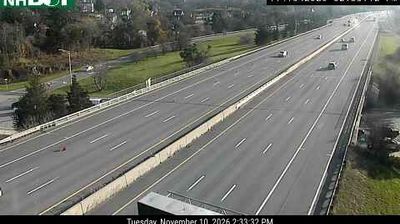

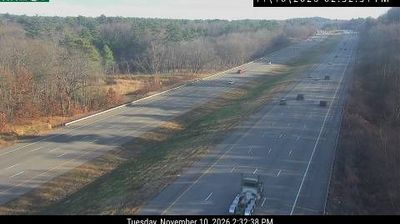
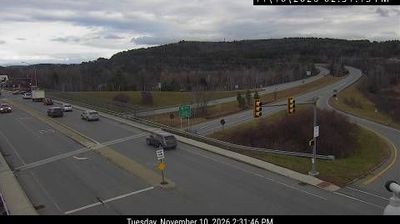

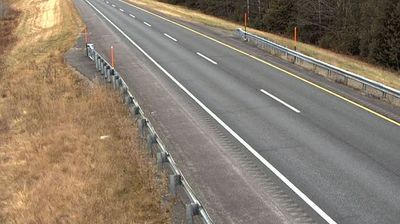
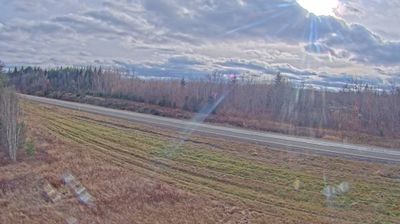
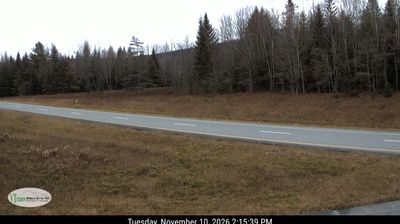
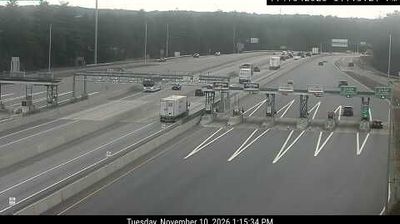
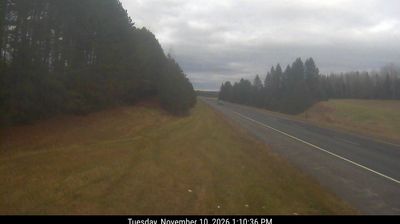


Richmond Parish sits in the upper Saint John River valley in New Brunswick, Canada, where wooded farmland and dispersed settlements shape Carleton County’s interior. Rather than a compact town centre, it is a civil parish, a historic territorial division that remains part of the province’s local geography and census framework. The surrounding river country forms part of western New Brunswick’s rural borderland near Maine, with small communities connected by local roads and the wider Saint John valley. Browse additional webcams from the Saint John River valley to extend your view of western New Brunswick.
1 webcam
New Brunswick occupies a forested Atlantic province in eastern Canada. The Saint John River runs through its interior toward the Bay of Fundy, whose exceptional tidal range shapes dramatic coastal mudflats, cliffs, and fishing communities. Fredericton, the provincial capital, stands on the river, while the province’s cities and rural districts reflect both Acadian and anglophone traditions. New Brunswick is Canada’s only officially bilingual province, with French and English integral to public life. Browse other webcams across Atlantic Canada to place New Brunswick in a wider geographic context.
51 webcams
Canada has served as a frontier between French and British colonial powers since the 17th century. The world’s second-largest country extends from Atlantic shores to the Pacific and Arctic coasts, with the Canadian Shield, the Rocky Mountains, the Great Lakes and the St. Lawrence River shaping its vast geography. First Nations, Inuit and Métis peoples are central to Canada’s identity, while Ottawa’s Parliament Hill represents its federal political life. French remains the official language of Quebec, adding a distinct dimension to the country’s public culture. See how Canada connects across North America by browsing webcams in neighbouring regions.
3.5K webcams