 Folgosa: Aeródromo Vilar de Luz - LPVL
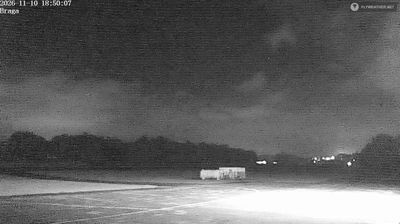
The landscape around Vilar de Luz Aerodrome is low and open, with cultivated land and tree lines, which has shaped both the airfield layout and local life. Known by the ICAO code LPVL, this small airfield stands near Folgosa in northern Portugal, within the municipality of Maia and the wider Porto metropolitan area. Its paved runway and apron are used by light aircraft, giving the site a distinctly general-aviation character rather than that of a major commercial airport. Open fields extend around the operational buildings, while low hills define the wider horizon. Vilar de Luz reflects a quieter side of the Porto region, where rural land use remains close to urban infrastructure and aviation activity.
Generated by AI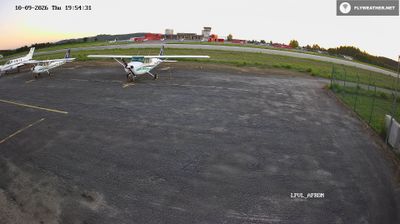
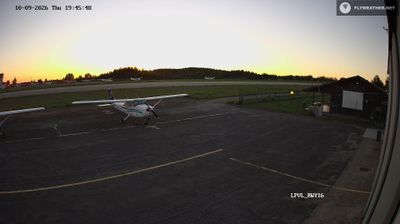
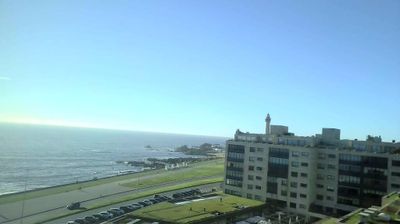
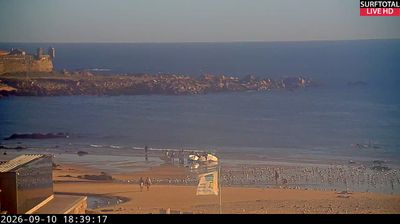
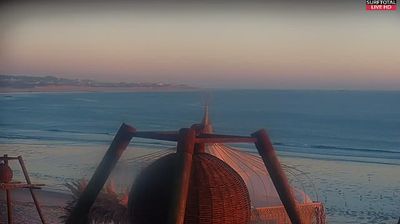
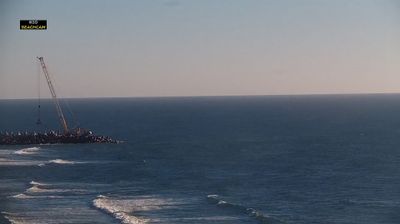

Among the settlements of Portugal’s North region, Folgosa stands out for its position in the municipality of Maia, on Porto’s northern metropolitan fringe. This civil parish occupies gently rolling inland terrain in the wider Leça River basin, away from the Atlantic-facing centre of nearby Porto. Residential streets sit alongside fields and local businesses, reflecting Maia’s evolution from rural parishes into a closely connected part of the metropolitan area. The parish church of São Martinho remains a focal point of Folgosa’s local religious tradition. Explore nearby webcam locations that provide complementary perspectives on Folgosa, Maia and the Leça River area.
3 webcams
Built around an Atlantic port at the Douro’s estuary, Porto grew into northern Portugal’s principal commercial and cultural centre. Its historic core, a UNESCO World Heritage site, climbs the riverbank opposite Vila Nova de Gaia, where cellars associated with port wine remain central to the city’s identity. Beyond the dense urban fabric, the Porto area extends east into the rolling interior of the Douro basin, while the coast brings beaches and fishing communities to its western edge. Tiled façades, Romanesque churches and bridges across the Douro give the region a distinctly northern Portuguese character. Continue with other webcams from the area to see how this part of Porto connects regionally.
5 webcams
Portugal has served as an Atlantic maritime link between Europe, Africa and the Americas since the 15th century. The Atlantic shapes its western and southern shores, while the Douro crosses northern wine country on its way to Porto and the Tagus meets the sea in Lisbon. Belém Tower and the Jerónimos Monastery recall the seaborne expansion of the Portuguese crown, and their Manueline stonework remains a defining feature of the capital. Beyond the cities, the Algarve is known for beaches and limestone cliffs, while Serra da Estrela introduces a highland counterpoint inland. Azulejo tiles, fado and Port wine are enduring elements of Portuguese culture. Find related webcams in the surrounding area to build a fuller picture of Portugal’s Atlantic coast and interior.
176 webcams