 La Roche-Bernard: Port of La Roche-Bernard
La Roche-Bernard combines a sheltered maritime character with the quiet scale of a riverside town in a way that reflects its position on the tidal Vilaine. Its port stands on the estuary route between inland Brittany and the Atlantic, with sailing berths gathered beneath wooded banks. Above the waterfront, narrow streets and old stone houses climb the slope toward the historic centre, giving the town a compact form. La Roche-Bernard has long been associated with river trade and boatbuilding, and the harbour remains central to its identity. The bridges crossing the Vilaine nearby also underline the town’s role as an important crossing point in southern Brittany.
Generated by AI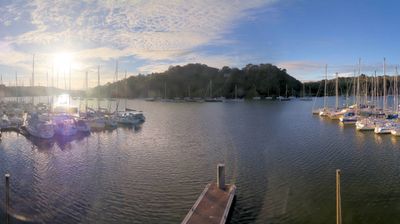
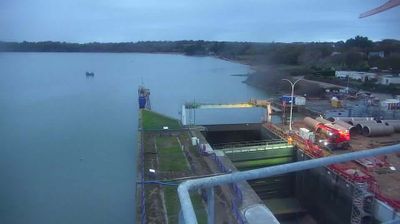

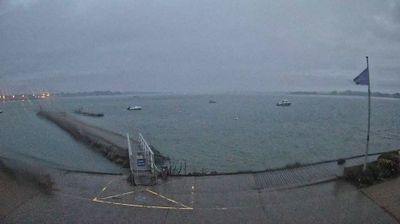
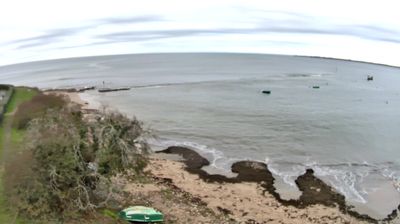
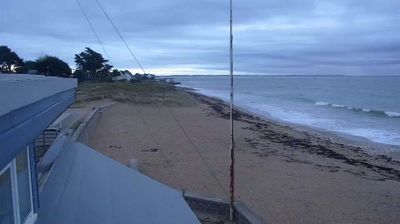
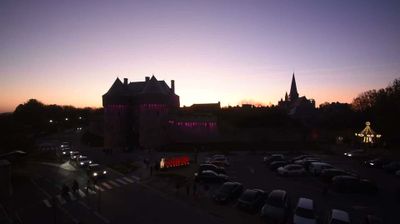
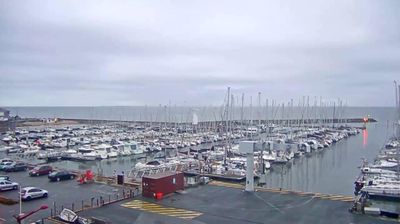
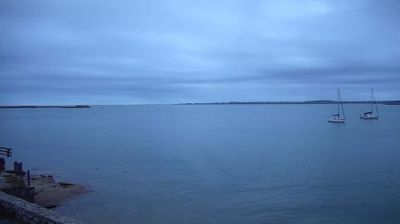

The landscape around La Roche-Bernard is defined by the tidal Vilaine estuary and wooded slopes, which have shaped both the town’s compact form and its long-established river-port economy. Above the quays, an old quarter of granite houses and narrow lanes follows the rise from the water, while the harbour remains a focus for pleasure boats. La Roche-Bernard developed as a trading and shipbuilding port, and the Vilaine’s navigable lower reaches still explain its importance within southern Brittany. The Pont de La Roche-Bernard carries the principal road crossing over the river nearby. Explore nearby webcam locations that provide complementary perspectives on the Vilaine estuary and southern Brittany.
2 webcams
Brittany has served as a cultural crossroads within northwestern France since the medieval era. Occupying a broad peninsula between the English Channel and the Atlantic Ocean, it is shaped by the ancient Armorican Massif, a terrain of granite uplands, farmland and deeply indented shores. The region retains a strong Breton identity alongside its French character; the Breton language, related to the Celtic languages of Britain, is still taught and heard in parts of the region. Prehistoric monuments are another enduring marker, with the Carnac stones among Europe’s most important megalithic sites. Port cities, fishing traditions and maritime foodways give the coast a distinct place in French life. Browse additional webcams from the surrounding area to extend your view of Brittany.
171 webcams
The Atlantic and Mediterranean coastlines, together with the Alps, Pyrenees and broad river basins, define much of France — they support maritime trade, farming, wine regions and travel throughout the year. The Seine runs through Paris, where the Eiffel Tower and the Louvre are among Europe’s most recognised landmarks. The Loire Valley is known for Renaissance châteaux, while Mont-Saint-Michel rises from a tidal bay in Normandy. Regional food traditions are equally distinctive, from Breton seafood to Provençal cooking, with bread, cheese and wine central to everyday life. France’s global cultural influence is evident in its language, literature, fashion and cinema. View additional webcams nearby to better understand how France’s coasts, plains and mountain borders relate to their surroundings.
2.1K webcams