 Lancaster
 sits in the Connecticut River valley in northern New Hampshire, where wooded uplands rise beyond a small county-seat town. The Connecticut River forms New Hampshire’s western border with Vermont, and Lancaster lies close to its course in the broad upper valley. It is the county seat of Coös County, serving communities across the state’s North Country. US Route 3 runs through Lancaster, connecting the town south toward the White Mountains and north toward the Canadian border. Mixed forest, open valley land and low ridges define the surrounding area rather than dense urban development.
Generated by AI
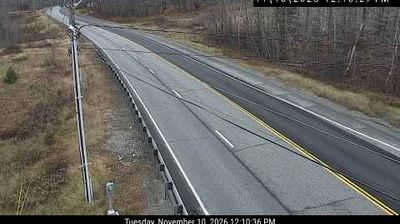


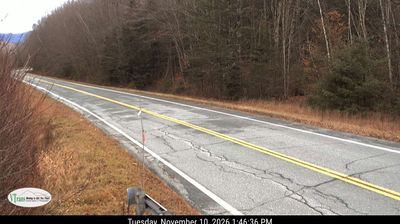

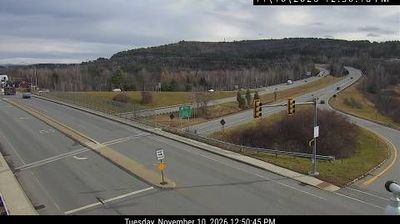

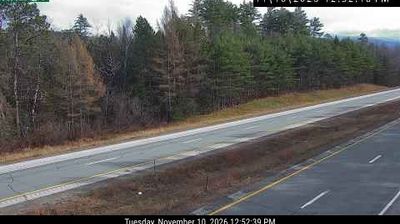

Lancaster occupies the Connecticut River valley near the mouth of the Israel River in northern New Hampshire. As the seat of Coös County, it has long been a civic centre for this lightly populated part of the state. The compact town centre along Main Street includes county institutions and historic homes, reflecting Lancaster’s role as a regional service town. The White Mountains lie to the east, while the Connecticut River marks New Hampshire’s boundary with Vermont and continues north toward Quebec. Browse other webcams across northern New Hampshire to place Lancaster in a wider geographic context.
2 webcams
New Hampshire occupies a mountainous inland position in the northeastern United States. The White Mountains define much of its northern character, culminating at Mount Washington, whose summit is famed for severe and rapidly changing weather. Southward, the Merrimack River links former mill cities including Manchester and Nashua, while Lake Winnipesaukee anchors the Lakes Region with wooded shores and island-dotted water. The state’s compact scale brings ski country, forest roads, historic seaports and New England town centres within reach of one another. Granite quarrying helped give New Hampshire its familiar nickname, the Granite State. Discover other points of interest through webcams located across New Hampshire.
331 webcams
The Atlantic, Pacific and Gulf coasts define much of the United States — their ports, fisheries and trade routes have long tied the country’s economy to the wider world. Between them, the Rocky Mountains, Great Plains and Mississippi River basin form sharply different regions, from high western ranges to broad agricultural heartlands. Cities carry much of the national story: New York’s Statue of Liberty, a gift from France dedicated in 1886, remains an enduring symbol, while Washington, DC concentrates major federal institutions. Indigenous nations have shaped these lands for millennia, and their living cultures remain essential to the country’s identity. Find related webcams in the surrounding areas to build a fuller picture of the United States.
32K webcams