 Milford
 straddles the Wepawaug River in coastal Connecticut, where its position on Long Island Sound has long tied the community to maritime trade and travel. Settled in 1639, Milford developed around its broad central green, with the river running through the historic downtown before reaching the Sound. The coast includes beaches, salt-marsh edges and Milford Harbor at the river’s mouth. Inland, Interstate 95 crosses the city as part of the major northeastern corridor linking New York and New England, while the Metro-North New Haven Line connects Milford by rail to the wider region. Colonial-era houses and civic buildings lend the center a distinctly New England character.
Generated by AI




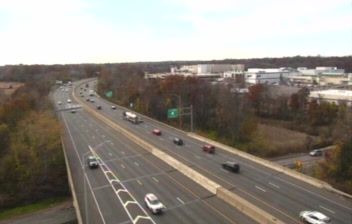

Few cities in Connecticut have a history as closely tied to oyster harvesting and shipbuilding as Milford. Set on Long Island Sound, the city follows the Wepawaug River to Milford Harbor, with tidal marshes, beaches and long-established coastal neighborhoods along its shore. The broad Milford Green, laid out during the colonial era, remains the civic center, while the restored 19th-century railroad station reflects the importance of the New Haven Line. Silver Sands State Park runs beside the Sound and connects to Walnut Beach by a boardwalk. Place Milford in its wider Long Island Sound setting by browsing webcams nearby.
14 webcams
Connecticut combines a deep manufacturing heritage with a heavily wooded interior in a way that reflects its position within southern New England. The Connecticut River runs south through the state before entering Long Island Sound at Old Saybrook, linking inland towns with the tidal coast. Hartford became a major American insurance centre, while New Haven is home to Yale University, founded in 1701. Along the Sound, working harbours and long-established coastal communities contrast with the quieter hills and small towns farther inland. Browse nearby webcams to see Connecticut’s place in the wider New England region.
324 webcams
The Atlantic, Pacific and Gulf coasts define much of the United States — their ports, fisheries and trade routes have long tied the country’s economy to the wider world. Between them, the Rocky Mountains, Great Plains and Mississippi River basin form sharply different regions, from high western ranges to broad agricultural heartlands. Cities carry much of the national story: New York’s Statue of Liberty, a gift from France dedicated in 1886, remains an enduring symbol, while Washington, DC concentrates major federal institutions. Indigenous nations have shaped these lands for millennia, and their living cultures remain essential to the country’s identity. Find related webcams in the surrounding areas to build a fuller picture of the United States.
32K webcams