 Race-Fram: RT-935, Fram - Cestnik - Areh, Kopivnik
Kopivnik has served as a dispersed rural settlement in Slovenia’s Štajerska region since the modern era. It falls within the Municipality of Rače–Fram, created in 1998. The locality occupies the transition from the Drava Plain to the eastern foothills of the Pohorje massif, a long wooded mountain range in northeastern Slovenia. Detached homes, gardens and local lanes give it the low-density pattern of this rural fringe. Rače–Fram lies southeast of Maribor, Slovenia’s second-largest city, and forms part of the historic Styrian cultural area. Kopivnik is not an urban centre; its identity is shaped by residential plots, connections between neighbouring settlements, and the rise of Pohorje above the plain.
Generated by AI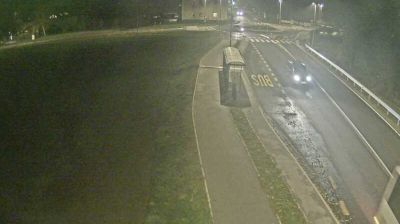
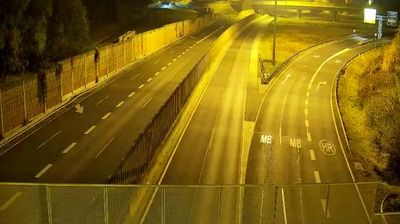
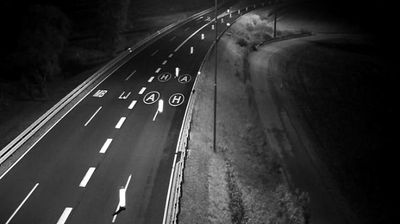

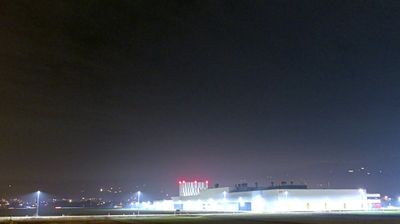

Rače–Fram occupies the southern edge of the Drava Plain in northeastern Slovenia, where the lowland rises toward the wooded foothills of Pohorje. The municipality unites the settlements of Rače and Fram in the Slovenian part of historic Styria, south of the Drava River and close to Maribor. Rače Castle, a Renaissance manor surrounded by a moat, is the area’s most distinctive architectural landmark. The Rače ponds and nearby wetlands form a quieter contrast to the cultivated plain, while routes toward Pohorje lead into increasingly forested terrain. This is a useful place to understand the meeting point of the Drava basin’s fields and Slovenia’s eastern Alpine margins. Explore nearby webcam locations that provide complementary perspectives on the Drava Plain and Pohorje.
2 webcams
Slovenia occupies a meeting point of the Alps, the Pannonian Plain, the Dinaric mountains and the Adriatic coast in south-central Europe. The Julian Alps rise in the northwest, where Triglav is the country’s highest mountain, while the Soča River is known for its clear turquoise water. Karst terrain has shaped caves such as Postojna Cave and the Škocjan Caves, a UNESCO World Heritage site. Ljubljana combines a riverside old town with works by architect Jože Plečnik; farther east, wine-growing regions and thermal springs add another dimension. Slovenian food reflects Alpine, Mediterranean and Balkan influences. Find related webcams in the surrounding area to build a fuller picture of Slovenia and the northern Adriatic.
783 webcams