 Nova Gorica: R3-613 - Ajševica, Kromberk
The landscape around Nova Gorica is shaped by low hills on the edge of the Vipava Valley, which have shaped both the built environment and local life. The city spreads beside Slovenia’s western border, immediately adjoining the Italian city of Gorizia, while the Soča River runs to its west. Nova Gorica was developed after the Second World War, when the new frontier left the historic centre of Gorizia in Italy; its broad streets and planned districts reflect that origin. Kromberk forms the city’s eastern side, where major roads pass commercial premises and residential areas beneath wooded slopes. Kromberk Castle, home to the Goriški muzej, adds an older regional landmark to this largely modern urban setting.
Generated by AI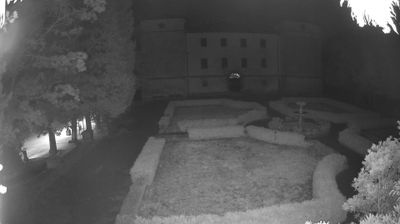
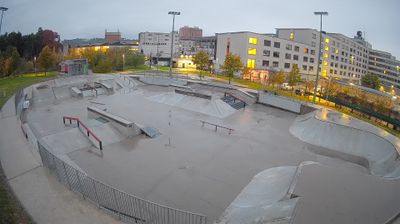
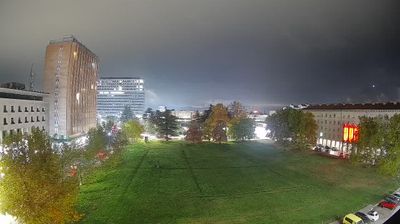
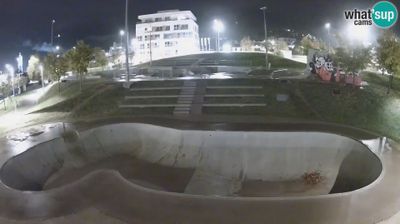
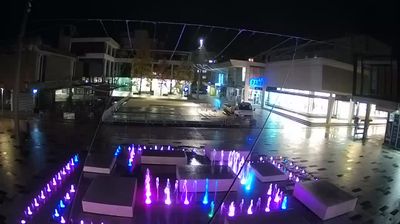
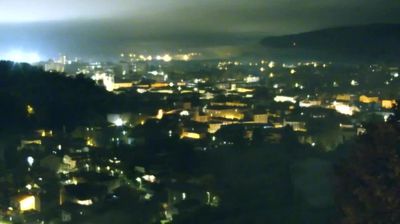

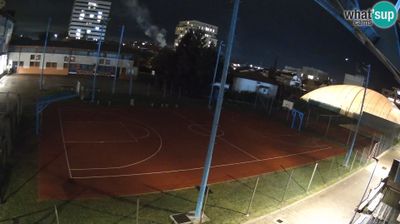

Among Slovenia’s cities, Nova Gorica stands out for its post-war creation directly beside the Italian border. Built after 1947, when the historic town of Gorizia became part of Italy, it developed as Yugoslavia’s new urban centre on the Slovenian side. The Soča River runs nearby, while the low hills and vineyards of the Vipava Valley shape the wider western landscape. At Europe Square, also known as Piazza Transalpina, the former border line crosses the square beside the railway station, making the bond with Gorizia tangible. The two cities jointly held the European Capital of Culture title in 2025. Find related webcams around the Slovenian–Italian border to build a fuller picture of Nova Gorica and Gorizia.
19 webcams
Slovenia occupies a meeting point of the Alps, the Pannonian Plain, the Dinaric mountains and the Adriatic coast in south-central Europe. The Julian Alps rise in the northwest, where Triglav is the country’s highest mountain, while the Soča River is known for its clear turquoise water. Karst terrain has shaped caves such as Postojna Cave and the Škocjan Caves, a UNESCO World Heritage site. Ljubljana combines a riverside old town with works by architect Jože Plečnik; farther east, wine-growing regions and thermal springs add another dimension. Slovenian food reflects Alpine, Mediterranean and Balkan influences. Find related webcams in the surrounding area to build a fuller picture of Slovenia and the northern Adriatic.
784 webcams