 Vila Nova de Milfontes
 occupies the southern bank of the Mira River estuary in Portugal’s Alentejo region. Here the Mira meets the Atlantic along a coast of sandy beaches, low dunes and dark rocky shelves shaped by the sea. The settlement belongs to the Southwest Alentejo and Vicentine Coast Natural Park, a protected stretch extending along Portugal’s southwest shore. Its riverside centre faces the broad estuary, while the oceanfront is defined by open beaches and headlands. The 17th-century Forte de São Clemente, built to defend the river entrance from raids, remains one of Milfontes’s best-known historic landmarks. The town is also part of the municipality of Odemira, whose territory combines coastal communities with Alentejo countryside.
Generated by AI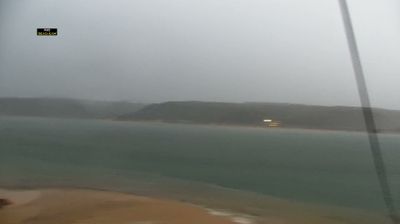

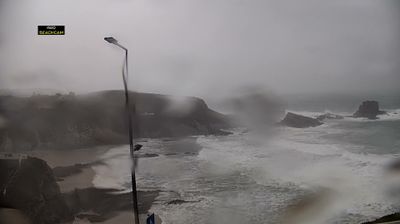

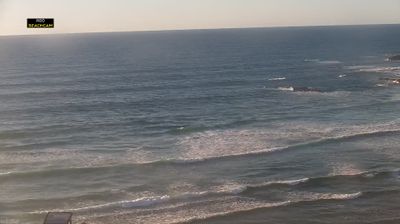
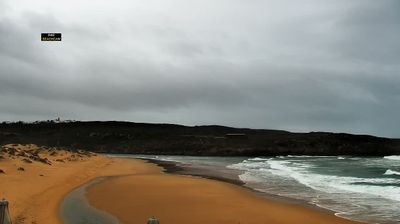
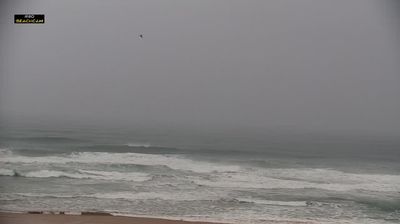
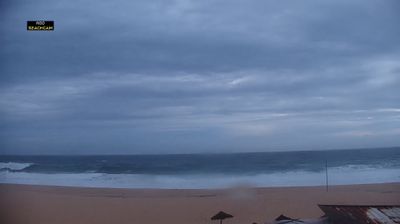

Few towns in Alentejo have a history as closely tied to defending the mouth of the Mira River as Vila Nova de Milfontes. Set where the river meets Portugal’s Atlantic coast, the settlement forms part of the Southwest Alentejo and Vicentine Coast Natural Park, a protected stretch of dunes, cliffs and estuary habitats. Fort of São Clemente, completed in 1602 to guard against seaborne raids, remains its principal historic landmark. Across the Mira, Furnas Beach brings river bathing and ocean shore together within the same small coastal community. Find related webcams around the Mira estuary and Alentejo coast to build a fuller picture of this corner of Portugal.
2 webcams
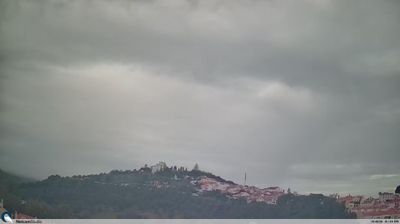
Beja combines sun-baked openness with a compact, fortified urban core in a way that reflects its position within the broad plains of Portugal’s Alentejo. The city lies in the Baixo Alentejo, where cork-oak country, cereal fields and olive groves extend towards the Guadiana River. Its skyline is defined by the medieval Castle of Beja and its tall keep, while the regional museum occupies the former Convent of Nossa Senhora da Conceição. Roman Beja was known as Pax Julia, recalling its long role as an inland centre. Local life follows a distinctly southern Portuguese rhythm, shaped by warm summers, Alentejo cooking and the surrounding farmland. See how Beja fits within the broader Alentejo by browsing webcams nearby.
8 webcams
Portugal has served as an Atlantic maritime link between Europe, Africa and the Americas since the 15th century. The Atlantic shapes its western and southern shores, while the Douro crosses northern wine country on its way to Porto and the Tagus meets the sea in Lisbon. Belém Tower and the Jerónimos Monastery recall the seaborne expansion of the Portuguese crown, and their Manueline stonework remains a defining feature of the capital. Beyond the cities, the Algarve is known for beaches and limestone cliffs, while Serra da Estrela introduces a highland counterpoint inland. Azulejo tiles, fado and Port wine are enduring elements of Portuguese culture. Find related webcams in the surrounding area to build a fuller picture of Portugal’s Atlantic coast and interior.
176 webcams