 Brest: Saint-Marc: Brest - Moulin Blanc
Among the places of Brittany, Brest stands out for its vast natural harbour, the Rade de Brest, where the Penfeld meets a roadstead open to the Atlantic. The city’s maritime identity runs from a major French naval base to Port de plaisance du Moulin Blanc, a large marina on the eastern shore of the rade. Much of central Brest was rebuilt after the destruction of the Second World War, giving its waterfront a markedly modern character. The National Maritime Museum in Brest Castle connects today’s port with the city’s long naval story, while the harbour remains a working setting for sailing, research and marine services.
Generated by AI


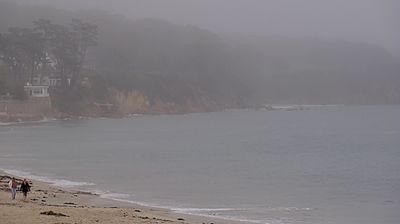





The Rade de Brest defines the setting of Brest — this broad natural harbour, entered from the Atlantic through the Goulet de Brest, has shaped a city of quays, naval facilities and waterfront neighbourhoods. At the mouth of the Penfeld, the Château de Brest has guarded the harbour for centuries and now houses the National Maritime Museum. Brest’s role as a major French naval port remains central to its identity, while Océanopolis brings marine science and public aquariums to the city’s eastern side. Rebuilt extensively after the Second World War, the centre has a more modern profile than many Breton ports. Browse other webcams across Brittany to place this maritime setting in a wider geographic context.
2 webcams
Brittany has served as a cultural crossroads within northwestern France since the medieval era. Occupying a broad peninsula between the English Channel and the Atlantic Ocean, it is shaped by the ancient Armorican Massif, a terrain of granite uplands, farmland and deeply indented shores. The region retains a strong Breton identity alongside its French character; the Breton language, related to the Celtic languages of Britain, is still taught and heard in parts of the region. Prehistoric monuments are another enduring marker, with the Carnac stones among Europe’s most important megalithic sites. Port cities, fishing traditions and maritime foodways give the coast a distinct place in French life. Browse additional webcams from the surrounding area to extend your view of Brittany.
171 webcams
The Atlantic and Mediterranean coastlines, together with the Alps, Pyrenees and broad river basins, define much of France — they support maritime trade, farming, wine regions and travel throughout the year. The Seine runs through Paris, where the Eiffel Tower and the Louvre are among Europe’s most recognised landmarks. The Loire Valley is known for Renaissance châteaux, while Mont-Saint-Michel rises from a tidal bay in Normandy. Regional food traditions are equally distinctive, from Breton seafood to Provençal cooking, with bread, cheese and wine central to everyday life. France’s global cultural influence is evident in its language, literature, fashion and cinema. View additional webcams nearby to better understand how France’s coasts, plains and mountain borders relate to their surroundings.
2.2K webcams