 Ajaccio: Golfe d'Ajaccio
The landscape around Ajaccio is a Mediterranean coast of wooded hills and a broad bay, which has shaped both the built environment and local life. The city extends along the northern shore of the Golfe d’Ajaccio, a wide inlet on Corsica’s west coast where urban districts meet beaches, marinas and maquis-covered slopes. Ajaccio is Corsica’s largest city and an administrative centre, combining a busy waterfront with older streets near its historic core. It is also the birthplace of Napoleon Bonaparte; Maison Bonaparte, his family home, stands in the old town. The gulf remains central to the city’s maritime links with the rest of Corsica and the Mediterranean.
Generated by AI
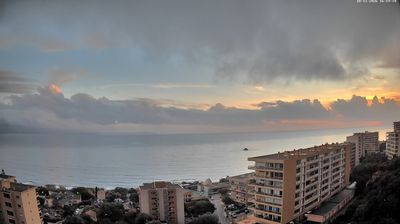
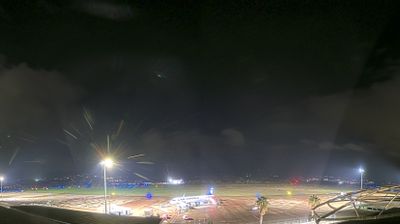
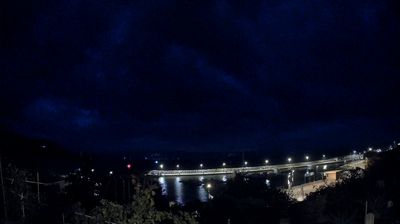
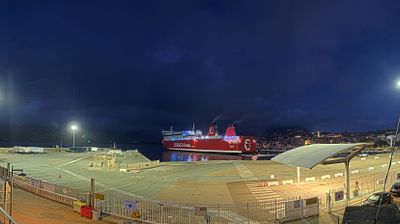

Ajaccio is best known in Corsica for being the birthplace of Napoleon Bonaparte. It occupies the shore of the Gulf of Ajaccio on Corsica’s Mediterranean west coast, with the Îles Sanguinaires lying beyond the city to the west. Maison Bonaparte, the Bonaparte family home in the old town, is now a national museum devoted to the emperor and his family. Napoleon was baptised at Ajaccio Cathedral, while the waterfront and Genoese citadel recall the port’s long strategic role. Browse additional webcams from the surrounding area to extend your view of Ajaccio and Corsica.
4 webcams
Built around Mediterranean sea routes and mountain communities, Corsica grew into a distinctive French island with a strong regional identity. Its terrain rises abruptly from the coast to the granite summits of the central mountains, crowned by Monte Cinto, the island’s highest peak. The long-distance GR 20 crosses this rugged spine, while beaches and sheltered coves line much of the shore. Ajaccio, on the west coast, is the birthplace of Napoleon Bonaparte; elsewhere, the Corsican language, polyphonic singing and local food traditions reflect ties to both France and the wider Mediterranean. Find related webcams across Corsica and nearby shores to build a fuller picture of this Mediterranean island.
18 webcams
The Atlantic and Mediterranean coastlines, together with the Alps, Pyrenees and broad river basins, define much of France — they support maritime trade, farming, wine regions and travel throughout the year. The Seine runs through Paris, where the Eiffel Tower and the Louvre are among Europe’s most recognised landmarks. The Loire Valley is known for Renaissance châteaux, while Mont-Saint-Michel rises from a tidal bay in Normandy. Regional food traditions are equally distinctive, from Breton seafood to Provençal cooking, with bread, cheese and wine central to everyday life. France’s global cultural influence is evident in its language, literature, fashion and cinema. View additional webcams nearby to better understand how France’s coasts, plains and mountain borders relate to their surroundings.
2.2K webcams