 Katići: Manita peć
Katići is best known within Zadar County for the limestone walls of the Velika Paklenica gorge, at the heart of Paklenica National Park. This deeply cut canyon descends from the southern slopes of the Velebit range towards the Adriatic coast, formed by water working through karst. Its sheer faces, including the prominent Anić kuk, have made Paklenica one of Croatia’s principal rock-climbing areas. Footpaths run through the gorge amid pine woodland and Mediterranean vegetation. Established in 1949, the national park protects the dramatic canyons of Velika and Mala Paklenica, where rugged mountain terrain meets the coastal hinterland.
Generated by AI

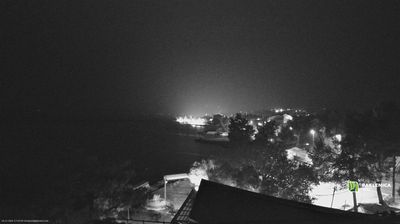


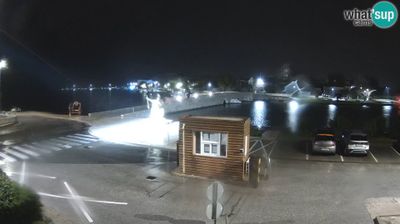
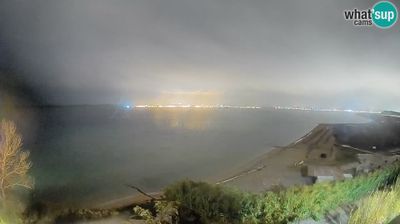




Tucked along the limestone slopes of southern Velebit, Katići is a place whose character is shaped by the karst terrain of Croatia’s mountain hinterland. This is Zadar County far from Adriatic resort towns: a sparsely settled area of rocky ground, low scrub and roads linking the coast with the interior. Velebit, Croatia’s longest mountain range, is the defining geographic presence, with much of it protected within Velebit Nature Park. The county takes its name from the historic Adriatic city of Zadar, while Katići represents its quieter rural side. Continue with other webcams from the Velebit hinterland to see how this part of Zadar County connects with the Adriatic coast and Croatian interior.
1 webcam
Zadar County extends from the slopes of the Velebit range to the islands of the Zadar archipelago, encompassing a karst hinterland, a long Adriatic shore and scattered islands. Its county seat, Zadar, preserves a Roman Forum beside the early-medieval Church of St Donatus, one of the city’s defining monuments. Beyond the city, Paklenica National Park protects dramatic canyons on Velebit, while the Zrmanja River cuts through inland karst before reaching the sea. Ferries bind the coast to islands including Dugi Otok, Ugljan and Pašman, where olive growing, fishing and stone-built settlements remain part of local life. Browse additional webcams nearby to better understand how Zadar County relates to the Adriatic coast and its islands.
41 webcams
Croatia occupies a long Adriatic coastline in southeastern Europe. Its shore is broken into islands and sheltered coves, while the Dinaric Alps rise inland and the Danube forms part of its eastern border. Dubrovnik’s fortified old city faces the sea, and Split grew around Diocletian’s Palace, a Roman complex begun in the early fourth century. Inland, Plitvice Lakes National Park is known for terraced lakes linked by waterfalls and has been a UNESCO World Heritage Site since 1979. Istrian olive groves, Zagreb and Slavonia’s vineyards reveal distinct regional identities. Explore nearby webcam locations that provide complementary perspectives on the Adriatic coast and Croatia’s interior.
378 webcams