 La Baule-Escoublac: Plage de La Baule
Plage de La Baule sits on the Bay of La Baule on France’s Atlantic coast, where a broad arc of sand joins Pornichet to Le Pouliguen. The beach forms the seaward edge of La Baule-Escoublac, a resort town whose expansion accelerated after the railway arrived in the 19th century. A continuous promenade and districts including La Baule-les-Pins and Benoît line its long, gently curving shore. Belle Époque and early-20th-century villas remain part of the town’s architectural identity. Across the bay lies Le Pouliguen, while inland, pine woods and dunes recall the landscape from which this major Atlantic resort developed. The strand remains central to local bathing, sailing and beach activities.
Generated by AI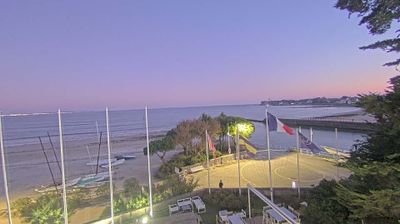

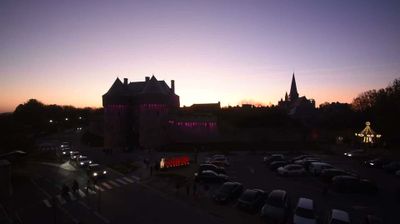
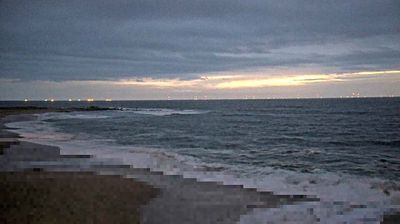

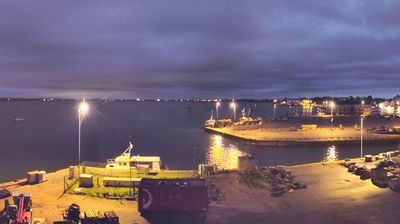
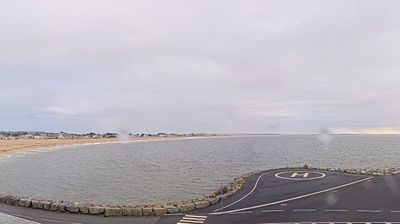

La Baule-Escoublac straddles the transition from Baie de La Baule to the Escoublac dunes in Pays de la Loire, a position that fostered its growth as an Atlantic seaside resort. The bay opens onto the Atlantic Ocean, and its long sandy shore continues towards the neighbouring towns of Pornichet and Le Pouliguen. Inland, the pine-covered Forêt d’Escoublac forms a contrast with the beachfront, while Belle Époque and early-20th-century villas reflect the resort’s formative years. Each spring, the Longines International Jumping La Baule brings leading riders to the town. See how La Baule-Escoublac connects with the Atlantic coast by browsing webcams nearby.
3 webcams
The Loire River defines much of Pays de la Loire — its broad valley has long supported vineyards, market gardening and river towns. This western French region extends from the Atlantic coast to inland farmland and includes Nantes, Angers, Le Mans and the Vendée. In Angers, the medieval Château d’Angers holds the Apocalypse Tapestry, a major late-medieval work commissioned by Louis I, Duke of Anjou. Nantes developed as an important Loire port, while the river is also followed by the Loire à Vélo cycling route. Continue through nearby webcams to explore different parts of Pays de la Loire.
79 webcams
The Atlantic and Mediterranean coastlines, together with the Alps, Pyrenees and broad river basins, define much of France — they support maritime trade, farming, wine regions and travel throughout the year. The Seine runs through Paris, where the Eiffel Tower and the Louvre are among Europe’s most recognised landmarks. The Loire Valley is known for Renaissance châteaux, while Mont-Saint-Michel rises from a tidal bay in Normandy. Regional food traditions are equally distinctive, from Breton seafood to Provençal cooking, with bread, cheese and wine central to everyday life. France’s global cultural influence is evident in its language, literature, fashion and cinema. View additional webcams nearby to better understand how France’s coasts, plains and mountain borders relate to their surroundings.
2.2K webcams