 Costa da Caparica
 is best known in Portugal for its long Atlantic beach. On the south bank of the Tagus estuary, opposite Lisbon, the resort extends along an open shore of sand, low dunes and surf-facing beaches. The Atlantic shapes daily life here, from beach recreation and board sports to the local fishing tradition of arte xávega, in which nets are hauled ashore from the sand. South of the built-up centre lies the Arriba Fóssil da Costa da Caparica Protected Landscape, a band of ancient coastal cliffs and pine woodland. Its proximity to Lisbon makes this coastline a familiar escape rather than a remote resort.
Generated by AI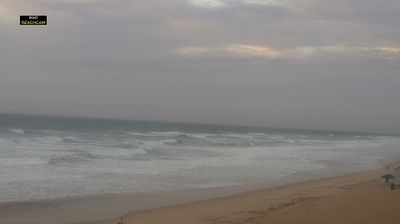

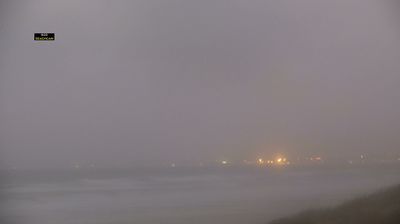


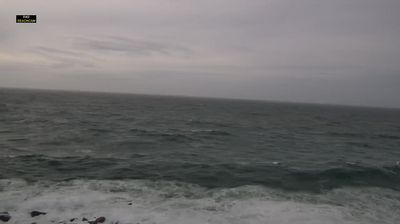

Costa da Caparica sits on Portugal’s Atlantic coastline in the Lisbon metropolitan area, where a broad sandy shore extends south of the Tagus estuary. Part of Almada municipality, it is known for its long urban beach and the Atlantic swells that draw surfers throughout much of the year. South of town, the Arriba Fóssil da Costa da Caparica Protected Landscape preserves dunes, pine woods and fossil cliffs along the coast. Fishing has long shaped local life, and seafood remains central to the area’s restaurants and everyday character. Explore nearby webcam locations that provide complementary perspectives on Costa da Caparica and Lisbon’s Atlantic coast.
4 webcams
Built around the Sado River and its Atlantic estuary, Setúbal grew into a major Portuguese port city and the centre of the surrounding district. At these coordinates, the district reaches the lower Sado near Alcácer do Sal, where the river passes through flat agricultural land and cork-oak country before continuing north towards its estuary. Alcácer do Sal’s hilltop castle recalls the strategic importance of this inland water route. Elsewhere, the Serra da Arrábida rises above the coast, while the Sado Estuary Nature Reserve protects extensive wetlands. Continue to other webcams in the region to compare river country, coast and uplands around Setúbal.
16 webcams
Portugal has served as an Atlantic maritime link between Europe, Africa and the Americas since the 15th century. The Atlantic shapes its western and southern shores, while the Douro crosses northern wine country on its way to Porto and the Tagus meets the sea in Lisbon. Belém Tower and the Jerónimos Monastery recall the seaborne expansion of the Portuguese crown, and their Manueline stonework remains a defining feature of the capital. Beyond the cities, the Algarve is known for beaches and limestone cliffs, while Serra da Estrela introduces a highland counterpoint inland. Azulejo tiles, fado and Port wine are enduring elements of Portuguese culture. Find related webcams in the surrounding area to build a fuller picture of Portugal’s Atlantic coast and interior.
176 webcams