 Gornji Vinjani
Mesihovina, on the Bosnia and Herzegovina side near Vinjani Gornji, lies along the karst uplands above Duvanjsko polje, where low limestone ridges, pine stands and small fields shape the western Herzegovinian borderland. The settlement is part of a sparse rural road network linking scattered hamlets with Tomislavgrad, the principal town of the surrounding area. Stone-built homes and cultivated plots sit among open scrub, giving this stretch of the Dinaric hinterland a distinctly agricultural character. Tomislavgrad, historically called Duvno, takes its present name from King Tomislav and is associated in Croatian tradition with his coronation. Mesihovina is a useful reference point for the quieter inland side of this border region.
Generated by AI




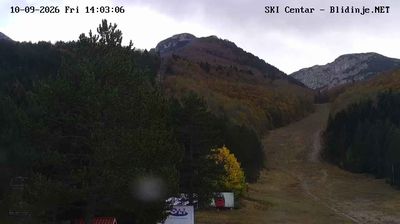

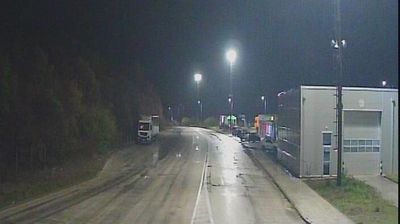




The Dinaric karst defines the setting of Vinjani Gornji — limestone ground, cultivated plots and low stone boundaries shape life in this Croatian settlement near the border with Bosnia and Herzegovina. It belongs to the inland Imotski area of Split-Dalmatia County, well away from the Adriatic coast, and the Vinjani Gornji border crossing links the area with Gorica across the frontier. The local parish church of St Roko is a community landmark, while nearby Imotski is known for the Blue and Red Lakes, dramatic karst sinkholes. View additional webcams nearby to better understand how Vinjani Gornji and the Imotski hinterland relate to their surroundings.
1 webcam
Built around the Adriatic coast, island ports and routes linking the hinterland to the sea, Split-Dalmatia County grew into Croatia’s central Dalmatian region. Its territory extends from the Cetina River and the Biokovo range to the islands of Brač, Hvar, Šolta and Vis. At its urban heart, Split is defined by Diocletian’s Palace, a Roman imperial complex whose historic core is inscribed on the UNESCO World Heritage List. The Makarska Riviera, old fishing settlements and vineyards lend the county a strongly maritime Mediterranean character. Brač, where these coordinates lie, is known for its pale limestone. Discover other points of interest through webcams located across Split-Dalmatia County.
66 webcams
Croatia occupies a long Adriatic coastline in southeastern Europe. Its shore is broken into islands and sheltered coves, while the Dinaric Alps rise inland and the Danube forms part of its eastern border. Dubrovnik’s fortified old city faces the sea, and Split grew around Diocletian’s Palace, a Roman complex begun in the early fourth century. Inland, Plitvice Lakes National Park is known for terraced lakes linked by waterfalls and has been a UNESCO World Heritage Site since 1979. Istrian olive groves, Zagreb and Slavonia’s vineyards reveal distinct regional identities. Explore nearby webcam locations that provide complementary perspectives on the Adriatic coast and Croatia’s interior.
380 webcams