 Debrecen: Wesselenyi-lakotelep: Debrecen, Attila tér -> Budapest
Few places on the Great Hungarian Plain have a history as closely tied to Protestantism as Debrecen. Often called the Calvinist Rome of Hungary, the city became a major centre of the Reformed Church from the 16th century onward. Its Great Reformed Church stands at the heart of that tradition and was the setting for Hungary’s declaration of independence from the Habsburg dynasty in 1849. Debrecen is now Hungary’s second-largest city, combining broad urban thoroughfares and residential districts with a strong university presence. Set on the flat expanse of the Great Plain, it remains an important regional centre for education, culture and commerce in eastern Hungary.
Generated by AI


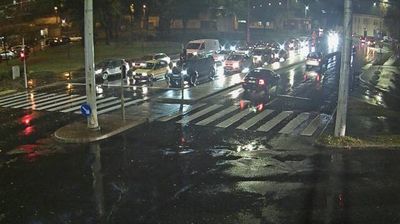
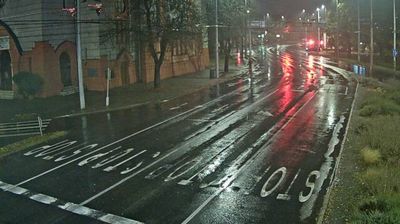


Among the cities of Hungary’s Great Plain and North region, Debrecen stands out as the country’s leading centre of Reformed Protestant tradition. Set on the flat Great Hungarian Plain, it is Hungary’s second-largest city and a major hub of the east. The twin-towered Great Reformed Church is central to local identity: Lajos Kossuth proclaimed Hungary’s independence there in 1849. Nagyerdei Park brings woodland into this lowland city, while the Déri Museum displays Mihály Munkácsy’s celebrated Christ Trilogy. Browse other webcams across Debrecen and eastern Hungary to place this setting in a wider geographic context.
26 webcams
Built around the Tisza River basin and the trading routes of the Great Hungarian Plain, Great Plain and North developed into a broad region where open farmland meets Hungary’s northern hills. The Tisza and its floodplain have long influenced settlement and agriculture, while the plains retain the puszta character associated with horse breeding and herding. Hortobágy National Park, Hungary’s first national park and a UNESCO World Heritage site, safeguards a cultural landscape of grassland, wetlands and traditional pastoral use. Farther north, the terrain rises toward the country’s mountain districts. Continue with other webcams from the area to see how this part of Hungary connects between the plain and northern uplands.
274 webcams
Hungary combines a long urban tradition with expansive lowland horizons in a way that reflects its position within the Carpathian Basin. The Danube runs through Budapest, separating the hills of Buda from the grand boulevards of Pest, where the Hungarian Parliament Building stands on the riverbank. Beyond the capital, the Great Hungarian Plain shapes much of the east, while Lake Balaton, Central Europe’s largest lake, draws summer visitors to its shores. Thermal bathing remains part of everyday life, and the Tokaj region is internationally known for its historic sweet wines. Explore nearby webcam locations that provide complementary perspectives on Hungary.
743 webcams