 Bataszek: Szekszárd
Bátaszék is best known within Hungary for the ruins of its medieval Cistercian abbey. This small southern Transdanubian town stands on the Danube plain, west of the river and close to the low hills around Szekszárd. The abbey recalls Bátaszék’s medieval importance, and its remains are the town’s leading historic reference. Today, the centre is organised around broad local roads, everyday shops and low-rise housing, while the railway station supports connections between Danube-side settlements and inland southern Hungary. Bátaszék also lies near the Gemenc floodplain forest, part of the wider Danube landscape of wetlands, woodland and farmland.
Generated by AI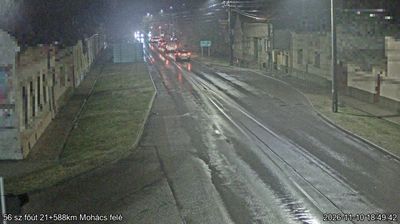
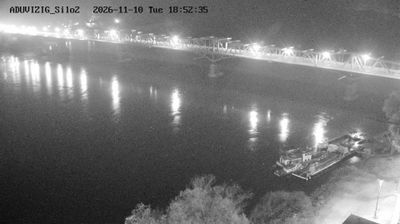

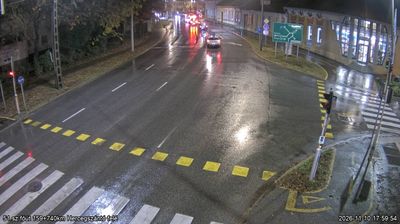
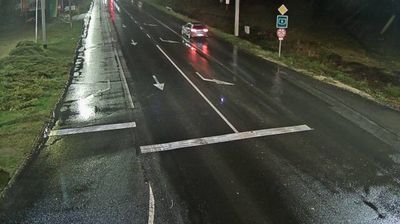
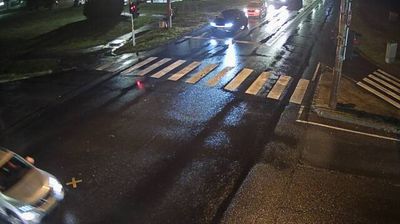
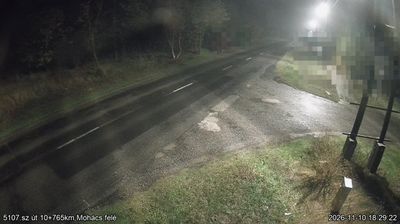

Few towns in Transdanubia have a history as closely tied to a medieval Cistercian abbey as Bátaszék. The settlement stands in southern Hungary near the Danube and the Sárköz lowland, a region shaped by riverine plains and long-established farming. Remains associated with the former abbey preserve the memory of a monastic centre that influenced local life for centuries before the upheavals of the Ottoman era. Today, Bátaszék is part of Tolna County’s quieter southern landscape, with routes leading toward the Danube and the wine country around Szekszárd. Browse additional webcams from southern Transdanubia to extend your view of the Danube plain.
2 webcams
Built around the lands west of the Danube, Transdanubia grew into Hungary’s broad western historical region. This location lies on Lake Balaton’s northern shore near Balatonfüred, where the Balaton Uplands rise behind the water in a mosaic of vineyards, basalt hills and small settlements. Lake Balaton, Central Europe’s largest lake, has long shaped local recreation, agriculture and summer life. Across the bay, the Tihany Peninsula is marked by its Benedictine Abbey, founded in 1055 and associated with one of Hungary’s earliest surviving written records. Continue with other webcams from the area to see how this part of western Hungary connects regionally.
305 webcams
Hungary combines a long urban tradition with expansive lowland horizons in a way that reflects its position within the Carpathian Basin. The Danube runs through Budapest, separating the hills of Buda from the grand boulevards of Pest, where the Hungarian Parliament Building stands on the riverbank. Beyond the capital, the Great Hungarian Plain shapes much of the east, while Lake Balaton, Central Europe’s largest lake, draws summer visitors to its shores. Thermal bathing remains part of everyday life, and the Tokaj region is internationally known for its historic sweet wines. Explore nearby webcam locations that provide complementary perspectives on Hungary.
744 webcams